
The automotive industry has seen dramatic shifts in recent years, and Hyundai and Kia are at the forefront of this transformation.
Those seeking rewarding careers in automotive innovation might find unexpected growth and learning opportunities with these two well-known brands.



This guide seeks to provide a comprehensive understanding of what makes a career at Hyundai and Kia both exciting and, perhaps, a bit daunting for newcomers and industry veterans alike.
Why Hyundai and Kia Drive Industry Innovation?
The global push for smarter, greener, and safer cars keeps innovating at a surprising pace. Whether it's electric vehicles or advanced safety systems, Hyundai and Kia constantly invest in research and development.
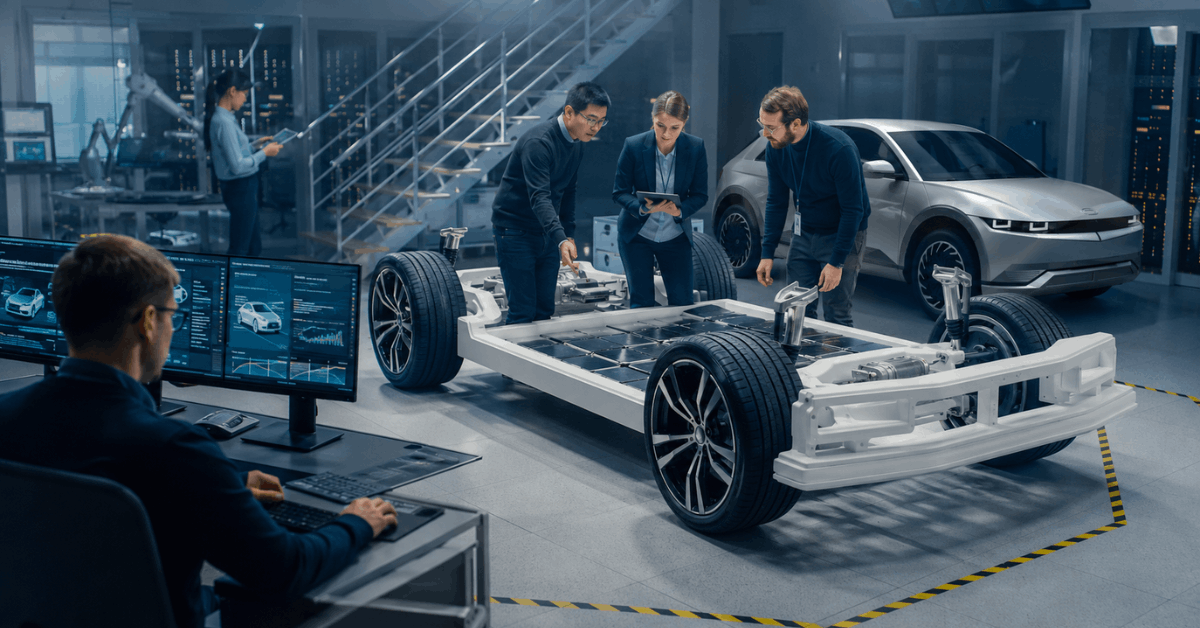
These investments aren’t just about new models—they reflect a deeper shift toward future-forward careers for those who join their teams.
For prospective automotive professionals, these brands represent more than car companies. They offer a space where technology, sustainability, and mobility intersect in interesting ways.
Pioneering in Electric Mobility
With models like the Hyundai IONIQ and Kia EV6, both companies have made leaps into the electric vehicle (EV) market.
This move opens up numerous roles—not only engineers but also UX designers, software developers, and battery technology specialists.
Career paths in this segment might not be what you first expect. It’s not only about mechanical engineering anymore; it’s about multidisciplinary collaboration and a continual search for efficiency and innovation.
Focusing on Safety and Smart Technology
Innovation at Hyundai and Kia also involves building vehicles that think for themselves. ADAS (Advanced Driver Assistance Systems), AI-integrated dashboards, and robust infotainment systems keep these brands competitive.
Working on these technologies could offer daily challenges, but it also means making real-world impact, as safer vehicles quite literally help save lives.
Types of Careers Available at Hyundai and Kia
The stereotype of the automotive job being greasy or dirty doesn’t always hold. At both Hyundai and Kia, technical, digital, and creative roles abound.
Engineering and Technical Development
Mechanical, electrical, and software engineering make up a good chunk of career opportunities. From powertrain design to next-gen infotainment, the work often brings together theory and real-world testing. Curiosity—sometimes more than experience—makes a difference in these roles.
Design and Creative Roles
Automotive design reaches far beyond aesthetics. UX/UI designers, product planners, and even customer insight specialists are highly valued.
These jobs combine the emotional side of driving with the practicalities of global consumer needs. Some days, it might even feel like blending art and science.
Supply Chain and Production Management
Ensuring that raw materials, parts, and finished vehicles get to the right place at the right time requires strategic skills.
Applicants from operations, logistics, and project management backgrounds—or those willing to develop those skills—can often find interesting challenges here. An openness to learning new systems or digital tools helps too.
Marketing, Sales, and Customer Service
Even in a high-tech world, human connection matters. Digital marketing, brand strategy, and hands-on sales support remain vital.
Support roles might—surprisingly—drive much of the brand’s reputation and sales figures, so attention to detail can have a big impact.
Information Technology and Data Science
With smart vehicles, the automotive world is now awash in data. Specialists in cybersecurity, cloud analytics, and connected vehicle infrastructure are in growing demand. For those interested in future mobility, these functions offer broad career possibilities.
Steps to Start a Career at Hyundai or Kia
Starting a career here rarely means a straight path. The process could be competitive, but preparation does make a difference. Here are a few thoughts to help navigate the process.
- Research Available Opportunities – Explore official Hyundai and Kia careers websites regularly for new roles.
- Update Your Skills – Courses in engineering, computer science, or design can boost your chances.
- Prepare for Assessments – Many roles require technical tests or case studies before interviews.
- Network with Professionals – Platforms like LinkedIn (and sometimes industry events) make connecting easier.
It's worth noting, though, that while formal education supports many roles, diverse backgrounds can still excel here. Career-minded applicants who combine resilience with curiosity tend to thrive.
In-Demand Skills and Training for Automotive Careers
Not every role suits every personality. But certain technical and soft skills are consistently advantageous.
Technical Skills Valued
- Software development (Python, C++, or Java)
- Mechanical and electrical systems expertise
- Data analytics and cloud computing
- UX/UI design for digital dashboards
Soft Skills That Matter
- Adaptability in fast-changing environments
- Problem-solving, often with limited direction
- Clear communication across multi-national teams
- Collaborative mindset and willingness to learn
Those who enjoy “never having the same day twice” often find automotive careers more energizing, even when schedules get unpredictable.
Hyundai and Kia’s Commitment to Diversity and Inclusion
Both brands highlight the importance of diverse ideas and backgrounds. Their global teams include professionals from dozens of countries and disciplines.
Such an environment encourages sharing ideas—sometimes even resulting in unexpected breakthroughs.
It’s fair to say that while there’s a strong work ethic and focus, balance is possible, depending on role and location. Some suggest that flexibility and hybrid schedules are improving, with steady efforts on well-being initiatives.
Growth Opportunities and Advancement Paths
Hyundai and Kia invest heavily in their workforce. Internal training, skill upgrades, and leadership development all play a part.
Promotions may not happen overnight, but growth is consistently encouraged—especially for those who take initiative or bring fresh perspectives. Sometimes, having a unique view can actually help stand out.
Legal, Safety, and Workplace Considerations
Automotive work, particularly in engineering or manufacturing plants, comes with legal and safety responsibilities. Candidates are often trained in local labor laws, workplace ethics, and specific safety protocols.
In addition, both Hyundai and Kia operate global facilities, so those considering relocation may want to research local legal requirements for employment and workplace conduct.
Workplace Well-being and Employee Support
Some employees have shared that support mechanisms—mental health services, flexible schedules, or ongoing learning programs—continue to expand in both organizations.
While individual experiences may differ, the intent seems to center around supporting a healthier, more sustainable work-life balance.
Tips for Starting an Automotive Career at Hyundai and Kia

- Check official Hyundai and Kia career portals regularly.
- Tailor your resume to the exact role and location.
- Highlight EV, software, engineering, design, or data skills.
- Prepare for technical tests, case studies, or interviews.
- Build a portfolio for design, UX, or software roles.
- Stay updated on electric vehicles and smart mobility trends.
- Network through LinkedIn, career fairs, and industry groups.
- Show adaptability, teamwork, and a willingness to learn.
Conclusion
Hyundai and Kia offer strong career opportunities for people interested in automotive innovation, electric vehicles, safety technology, design, and data-driven mobility.
Their global teams create room for growth across engineering, IT, production, marketing, and customer support.
However, applicants should expect competitive hiring, fast-changing projects, and continuous skill development. With the right preparation and mindset, these companies can be a strong place to build a future-focused automotive career.