
Retail management can be a practical path for people who want steady development, real responsibility, and a work setting that always keeps you on your toes.
This is especially true at The Home Depot , a retailer known for its scale and the pace of its daily business. People at different stages in their work journey sometimes wonder whether a future in store management offers long-term security and skill-building.



For those considering a management career, this read aims to outline the steps, expectations, and small decisions that can shape your progress inside this well-known company.
Why Retail Management Stands Out at The Home Depot
Careers in retail management are more dynamic than they appear on paper. The Home Depot, being a brand of consistent visibility, offers something a bit different: scale.
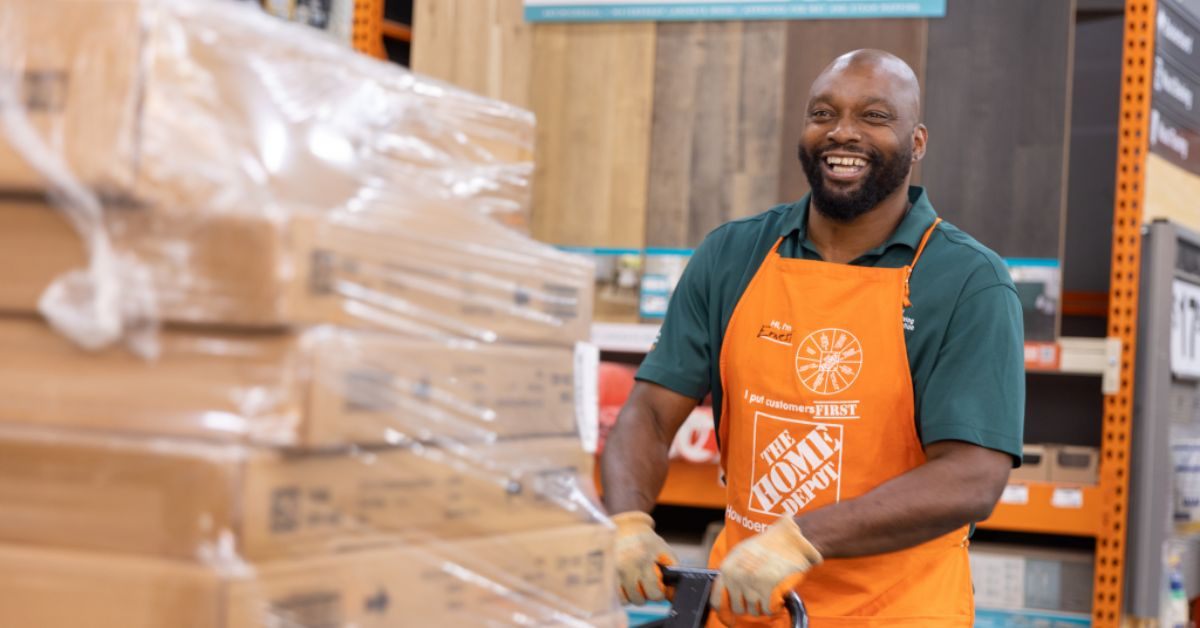
The sheer volume of inventory, staffing, and customer flow presents scenarios that are both challenging and educational for aspiring managers. Some say it’s the unexpected workdays and need for quick thinking that shape the strongest leaders.
Opportunities for Internal Development
Promotion from Within remains a strong element of The Home Depot's culture.
Associates are frequently considered for supervisor, department head, or store management roles based on on-the-job performance, sometimes more than formal experience.
For many, that makes the growth story both tangible and realistic, even if it isn’t as fast as they initially expect.
Constant Demand for New Leaders
With hundreds of stores and high employee turnover common in retail, there always seems to be a need for capable managers.
This ongoing recruitment can create new entry points for people hoping to carve out a role, especially if they’re open to relocation or flexible in their position preference.
Skill Variety and Business Impact
Retail management here isn’t limited to operations. Task areas span from inventory controls to team training, loss prevention, budgeting, and, perhaps most critically, customer conflict resolution.
These are transferable skills that can help shape a longer-term business career, whether someone stays in retail or not.
How to Start Building Your Career Path
Not everyone begins their journey at the same entry point. Some arrive fresh out of school, others from unrelated industries.
There is space for both types, though each finds a slightly different road.
Entry-Level Roles That Lead to Management
- Sales associate (floor staff)
- Customer service roles
- Specialist positions (such as pro desk, hardware advisor, or merchandising)
- Night operations or receiving team members
Performing reliably in these areas is usually what places someone ‘on the radar’—sometimes supervisors notice a strong attitude before they notice specific skills. That’s not a guarantee, but likely more common than some expect.
Education and Training Requirements
Formal education often isn’t a firm requirement for entry management roles, though it can accelerate advancement in some cases, especially if someone holds a business degree.
The company also offers a range of structured learning modules—everything from basic retail systems to people leadership. However, the fastest progress often seems to come from hands-on experience and day-to-day coaching.
Certifications and Continuing Education
- Internal managerial training (company-provided)
- Store- or department-level shadowing
- External credentials (such as retail management certificates), though these are rarely required
- Occasional participation in leadership workshops or joint problem-solving exercises
It’s common to find that many managers didn’t have specialized certificates but learned by incremental trust and growing responsibility over time.
Key Responsibilities of Retail Management at The Home Depot
If you’re weighing whether this workspace suits you, the range of responsibilities may help clarify your fit.
It’s a mix of what you’d expect, plus a few elements that catch newcomers off guard.
People Development and Team Leadership
Leading teams that often include part-time and seasonal employees can involve more mentorship and real-time coaching than some people anticipate. Managing schedules, diffusing team tensions, and coaching for performance are all daily realities.
Operational Oversight
Stock management , freight handling, and safety compliance often take up a good share of each shift.
These tasks are fundamental for store continuity and profitability, so developing keen attention to detail becomes part of most successful managers’ habits.
Customer Service and Conflict Resolution
Every manager at The Home Depot will, at some point, address disputes—either between staff or with customers.
That can be nerve-wracking or surprisingly rewarding, depending on how the day goes. Problem-solving becomes almost second nature.
Sales and Revenue Accountability
Beyond daily team tasks, there is ongoing pressure to meet department or store goals. This requires tracking key performance indicators, reviewing sales reports, and sometimes adjusting strategy on the fly. The learning curve can feel steep, but over time, the numbers become less intimidating.
What Sets The Home Depot Apart for Aspiring Managers?
Plenty of national chains offer pathways for promotion. The Home Depot’s size and resources result in a unique mix of professional opportunities and stability. On the flip side, the pace can be intense, and expectations for rapid adaptation are high.
Structured Growth and Mentorship
New leaders are often paired with experienced managers or placed in succession planning programs. This can ease the transition, though there’s no universal formula; some associates advance slowly by choice, while others move up with surprising speed.
Competitive Benefits and Incentives
- Health coverage and assistance programs
- Stock purchase plans and employee discounts
- Annual bonus potential for management roles
- Tuition assistance (useful for those pursuing related college degrees)
Although the benefits can be a deciding factor for some, others find intangibles—like supportive mentors or a fast-paced culture—matter just as much.
Transferable Skills for Broader Careers
Skills built managing in a store environment aren’t limited to retail. Many former managers use this experience to shift into supply chain, human resources, or even their own businesses.
It’s perhaps the broad experience that surprises people after a few years in the role.
Challenges and Realities to Consider
For the sake of balance, there are sides of the role that challenge even the most motivated people. Not every day is the perfect example of leadership or productivity.
Work-Life Balance Hurdles
Retail management is demanding and can mean working weekends, evenings, or holidays—especially during seasonal surges. While some enjoy the energy, others may find this rhythm not ideal over the long term.
Managing Diverse Teams
Diversity can be a company strength, but leading people of varied ages, cultures, or priorities isn’t always intuitive. Sometimes, learning to motivate each person takes more time and patience than expected.
Dealing with High Turnover
Staff changes are frequent, making team cohesion a constant work in progress. A strong manager learns to adjust quickly but, frankly, there are days when consistency feels hard to achieve.
Tips and Strategies to Advance Your Retail Management Career
Progress often blends initiative with flexibility. There’s no single recipe, but several tips have proven helpful for people looking to build a lasting future in retail leadership.
Networking and Internal Visibility
Taking on high-impact projects or shadowing senior managers can raise internal visibility. Although it feels awkward at first, it’s often worth stepping outside of routine tasks from time to time.
Seeking Feedback and Embracing Learning
Managers who regularly request feedback—both from peers and supervisors—tend to spot blind spots sooner. Informal, constructive feedback (and responding to it) helps leadership growth feel less intimidating over time.
Flexibility and Adaptation
Willingness to take on new responsibilities or cover other departments provides a broader understanding of store operations. Not every shift offers learning, but the surprises can be what set a future leader apart.
Legal and Policy Considerations for Managers
Store leaders act as a link between daily action and company policy. Keeping up with labor regulations, safety procedures, and company compliance standards is a core part of the job.
Understanding Labor Laws
Knowledge of fair scheduling, overtime rules, and break requirements keeps stores safe for both workers and management. The legal landscape can shift, so managers benefit from ongoing policy briefings or refresher training.
Health, Safety, and Incident Management
The Home Depot places strong emphasis on in-store safety. Managers are trained to act promptly on accidents or hazards, often coordinating with outside professionals if serious incidents occur.