In recent years, the way people pay for goods and services in Ireland has shifted dramatically. Contactless payments—through both digital wallets and cards—have become not just popular, but nearly ubiquitous.
This article explores how this technology has transformed daily life, who benefits most, and practical steps for those keen to understand or adopt these methods.


Understanding Contactless Payments in Ireland
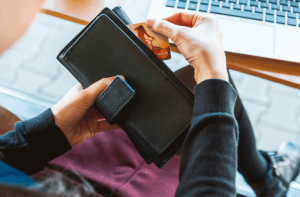
Contactless technology allows users to complete transactions simply by holding their card or device near a payment terminal.
This method is especially popular in supermarkets, cafes, and public transport systems across Ireland.
For many, the speed and convenience are hard to beat, and smaller purchases, in particular, make full use of these features. Perhaps surprisingly, security is often enhanced in the process, despite how effortless it feels to use.
Why Digital Wallets Are Becoming Standard
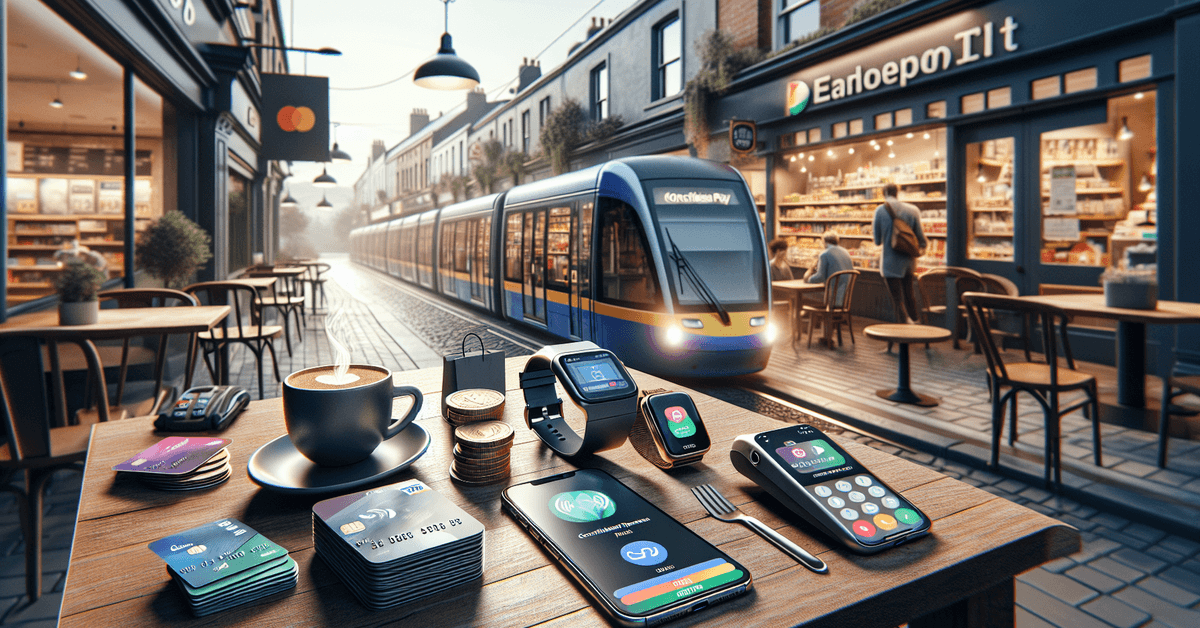
Digital wallets, such as Apple Pay, Google Pay, and Samsung Wallet, store debit or credit card information directly on smartphones and wearables.
Retailers nationwide—from convenience stores to hotels—readily accept these systems, reflecting the country’s swift adaptation to modern payment trends.
Contactless card limits have also increased, meaning more significant purchases are possible with just a quick tap.
Simplicity and Accessibility
Setting up a digital wallet might sound technical, but the process is typically straightforward.
One guides their phone through prompts, scans card information, and often completes verification within minutes.
Even those who feel tech-resistant sometimes express surprise at how quickly it all works.
For the visually impaired or those with limited dexterity, voice commands and accessibility features further add to the appeal.
Where Digital Wallets Shine?
Public transport has seen a particular boom in digital wallet adoption. Dublin’s transit system now let users pay with a quick tap, bypassing ticket machines entirely.
Restaurants and coffee shops increasingly encourage digital payments, in part to speed up queues and reduce shared surfaces—something that’s still relevant given people’s heightened awareness of hygiene.
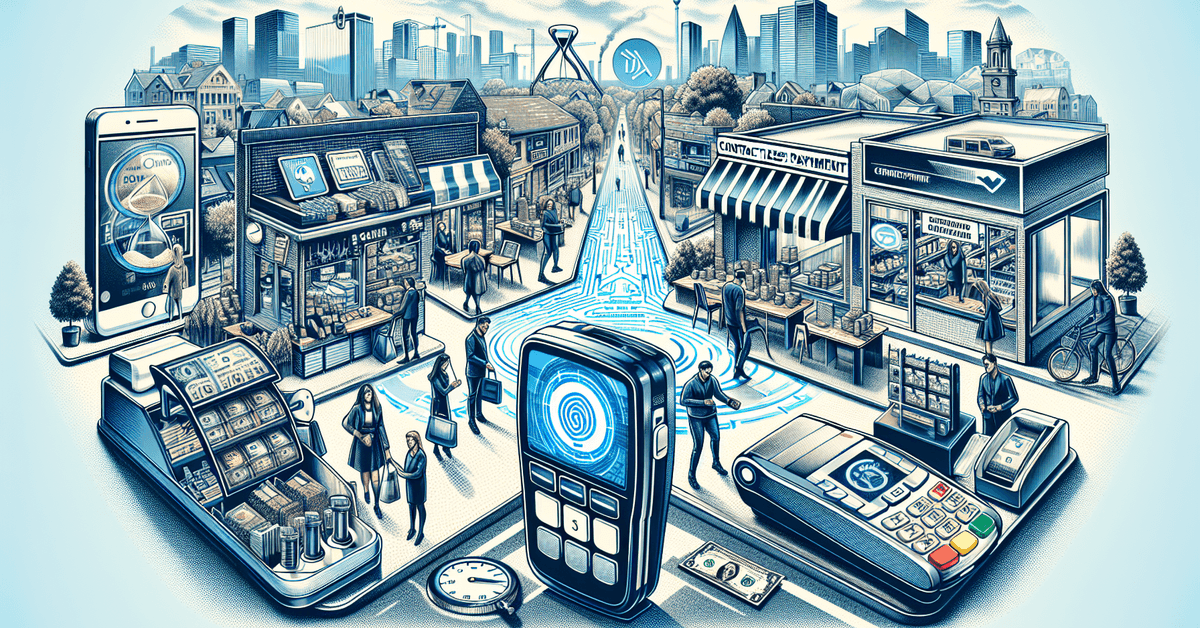
How to Use Contactless Cards: Step-by-Step Life Example
In most cases, those with a bank account in Ireland receive a contactless-enabled debit card by default.
Paying for coffee, a bus fare, or a grocery shop can, in theory, be as simple as holding the card close to a terminal with a contactless icon.
There’s usually a subtle beep or flash to confirm the deal’s done. Occasionally, you might be prompted for a PIN after several uses or if you go over a preset spending limit.
Increased Security Measures
Contactless payments use tokenization—basically, creating a temporary code for each transaction. Banks monitor usage for unusual activity and will block a card quickly if anything looks off.
If a card goes missing, it can typically be deactivated using a mobile banking app. That reassurance is important for many, particularly those who worry about the risk of losing physical cards or devices.
Daily Life: When Contactless Makes a Difference
Sometimes, the speed of contactless can catch you off guard. Picture someone running late at the train station; a quick tap saves precious seconds.
Or at a crowded lunch spot, transactions go smoother, staff process more orders, and lines move faster.
Not everyone uses the technology all the time—some still prefer cash for small purchases or feel hesitant about storing banking details on their phone—but those hesitations appear to be decreasing.
Popular Digital Wallet Providers in Ireland
Several platforms dominate the Irish digital wallet scene. Each brings unique advantages, and slight differences in features. Here’s a basic comparison to help clarify:
| Provider | Device Compatibility | Banks Supported | Security Features |
|---|---|---|---|
| Apple Pay | iPhone, Apple Watch | Major Irish banks | Face ID, Touch ID, tokenization |
| Google Pay | Android phones, smartwatches | Most Irish banks | PIN, pattern, biometric lock |
| Samsung Wallet | Samsung devices | Some Irish banks | Fingerprint scan, PIN |
For more details on which banks are compatible, banks’ official sites, such as Bank of Ireland and AIB, publish updated lists.
Most major banks now support all leading providers, but double-checking can sometimes save time.
Where Can You Use Contactless Payments in Ireland?
Contactless payments are accepted nearly everywhere in Ireland. From big retailers like Tesco and SuperValu to local pharmacies and corner shops, the technology is woven through daily life.
Some small businesses may still prefer cash, possibly for tradition or to avoid card processing fees, though even these are becoming rare exceptions.
- Transport (Luas, Bus Éireann, Irish Rail)
- Restaurants and cafés
- Supermarkets and convenience stores
- Entertainment venues
For travelers, contactless cards and wallets are also welcome at most tourist attractions and hotels. Just keep an eye out for the **wave symbol** on terminals; that shows tap is available.
Benefits and Challenges: What Real Users Say
Embracing contactless comes with a handful of clear advantages. There’s convenience, naturally, but also improved hygiene, reduced time spent waiting, and detailed transaction history at a glance.
On the flip side, a few users admit to concerns about tracking personal spending. With everything registered electronically, some find it hard to ignore just how much they’re spending each week.
Maybe that bothers some folks more than others. Certain age groups, perhaps older generations, say they miss the physicality of coins and notes.
Others voice anxiety about storing all financial data on a phone that could go missing at the wrong moment.
Tips for Managing Digital Spending
- Enable instant notifications for purchases
- Review activity regularly via banking apps
- Set transaction limits for digital wallets
- Keep backup payment options—perhaps cash or a secondary card
- Explore categories and budgeting features within wallet apps
Safety, Legal, and Privacy Considerations
Irish law and the European SD2 regulations place a strong emphasis on customer security and privacy.
Contactless card and wallet transactions fall under robust consumer protections. It’s worth noting, though, that responsibility for lost cards falls to the user—prompt reporting is essential for being fully reimbursed in the event of fraud.
Digital wallets add extra security layers like biometrics, while banks continuously monitor for suspicious activity.
Some users feel uncertain about data privacy, but platforms strive to anonymize and protect payment data throughout the transaction process.
Is Cash Disappearing in Ireland?
The move toward a cashless society is visible but not absolute. Certain rural communities and markets continue to value cash, so carrying a small amount isn’t unwise.
Still, contactless technology increasingly dominates urban Ireland. For many, this blend of digital and physical payment methods offers the best of both worlds.
Recent reports—such as those from the Central Bank of Ireland—suggest the country remains on track towards wider digital adoption, though regulators keep cash protections in place.
If you’re curious about the broader transition, articles on the future of banking in Ireland might provide more depth.
Future Trends: What’s Next for Contactless in Ireland?
Innovation shows no sign of slowing. Wearables like smartwatches and even rings are gaining ground.
Meanwhile, payment apps evolve to blend rewards, budgeting, and travel passes into a single user experience.
Financial inclusion remains a consideration—access to these technologies isn’t universal, though efforts to bridge that divide are ongoing.
For those new to contactless, or who simply feel skeptical, starting with everyday purchases—maybe a morning coffee or weekly shop—can provide a risk-free introduction.
And even regular users often find something new to discover: a feature update, an additional retailer, or just a surprisingly pleasant transaction.
Conclusion: Finding Your Comfort Zone with Contactless Payments
The rise of contactless in Ireland reflects wider shifts in how society values speed, convenience, and security.
From tapping a phone on the bus to settling a bill at dinner, the process is quicker and, for many, feels safer than ever.
Yet no one approach fits every circumstance. Perhaps the real benefit is in having choices: digital wallets, contactless cards, and cash all have a place, depending on the moment and the user.
If you'd like to explore even more about Irish financial tech, check out our guide on managing money in the digital age .
Staying informed and flexible may be the best way to get the most from contactless payments, whatever your preferences or pace.
Last updated on May 18th, 2026 at 04:03 pm