Understanding credit card choices at Fibank (First Investment Bank) can be a bit overwhelming for the average customer in Bulgaria.
With so many features, fees, and service differences, it’s easy to wonder which credit card—Visa or Mastercard—might be best for your needs.


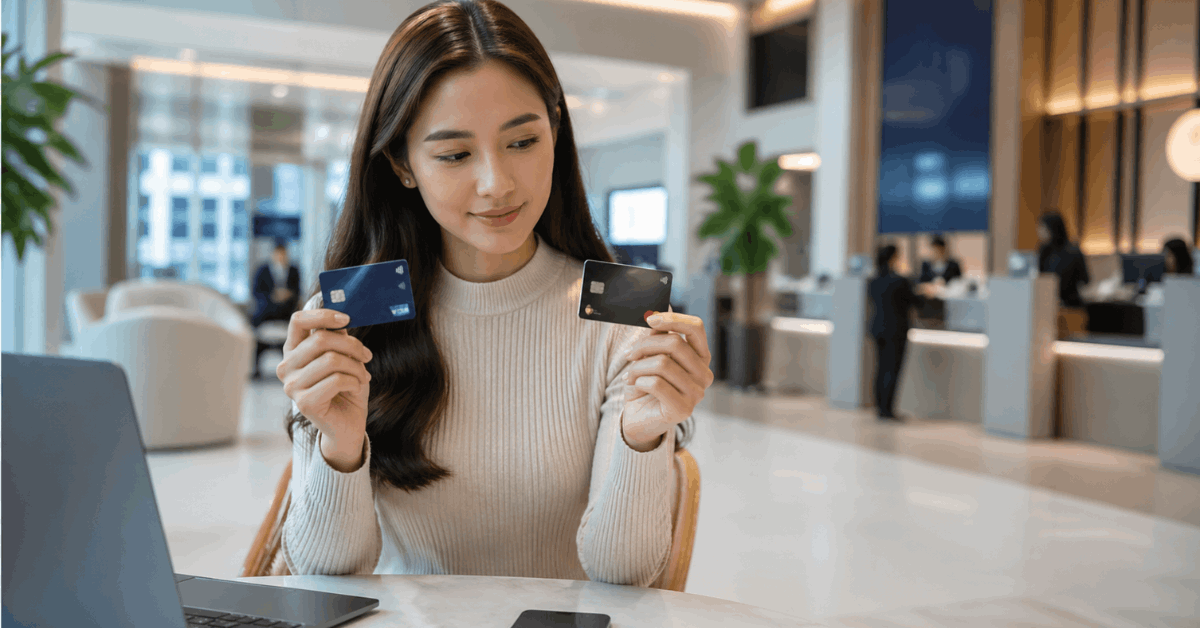
This article explores both Fibank options, so readers can get a comprehensive, realistic look at what each card brings to the table.
This article is most useful for Bulgarian residents considering Fibank for their next credit card but want an impartial breakdown of their Visa and Mastercard selections.
Those interested in travel perks, flexible limits, and fee transparency will probably get the most value here.
Why Choose a Fibank Credit Card?
Before looking at Visa and Mastercard specifically, it helps to understand what sets Fibank’s credit cards apart in the Bulgarian marketplace. Trusted for robust digital banking, Fibank offers users several unique benefits.
Wide Acceptance in Bulgaria is one of the more practical perks—most merchants and online stores accept both Visa and Mastercard through Fibank.
Additionally, Fibank is known for customizable credit limits. There’s a certain ease in being able to negotiate a limit that fits your lifestyle, not the other way around.
Some people might notice the card management platform. Fibank offers real-time tracking of expenses through online and mobile banking. Over time, this can make budgeting, or even quick balance checks, a bit less stressful.
Fibank Credit Card Overview: Visa vs. Mastercard
Though Visa and Mastercard often work in similar ways, important differences exist when it comes to their Fibank offerings. The following comparison covers the essentials for each type.
Annual Fees and Cost Transparency
Most Fibank credit cards carry a modest annual maintenance fee, though sometimes specific conditions or promotions may affect this.
It’s worth noting that the fee structure for Visa and Mastercard cards can diverge depending on the chosen tier (i.e., Classic, Gold, Platinum).
Currency Support and International Use
If you travel often or shop online internationally, the choice between Visa and Mastercard may influence foreign transaction fees and exchange rates.
Both card types from Fibank can be used worldwide, but certain card tiers might include free ATM withdrawals outside Bulgaria or lower conversion charges.
Reward Programs and Benefits
This is where differences start to stand out. Fibank’s Visa credit cards sometimes bundle lifestyle offers like discounts at partner merchants or early access to events, whereas Mastercard options tend to emphasize travel insurance, hotel or car rental perks, and Priceless Cities experiences.
The actual benefit can depend on which card level you select. Maybe a Gold Visa includes airport lounge access, while Platinum Mastercard features enhanced purchase protection—it’s rarely identical across the board.
Main Features of Fibank Visa Credit Cards
Visa has broad recognition both locally and globally, yet Fibank’s Visa cards come with specific features.

Contactless and Digital Wallet Integration
Nearly every Fibank Visa card can be linked to Apple Pay, Google Pay, or other digital wallets. This grants cardholders seamless, secure payments at thousands of Bulgarian POS terminals.
Flexible Repayment Options
Visa credit cards from Fibank often allow for installment-based repayments . Users can split larger purchases, helping spread out costs and reduce short-term financial pressure.
Travel and Shopping Protections
Several Visa versions include travel insurance or extended warranty coverage, which might be particularly valuable for frequent travelers or tech shoppers.
Emergency Customer Support
With Visa, Fibank cardholders benefit from global emergency assistance, such as card replacement or cash advance services, which can be reassuring if unexpected problems arise abroad.
Key Advantages of Fibank Mastercard Credit Cards
Fibank’s Mastercard credit cards also offer a familiar set of core banking features, but some extras may be surprisingly distinct.
Mastercard Priceless Program
Exclusive to Mastercard, the Priceless Cities program gives access to experiences, discounts, and sometimes VIP events. This might appeal to cardholders who value lifestyle perks.
Enhanced Travel Coverage
Travelers might appreciate the more extensive travel insurance packages that sometimes come bundled with upper-tier Mastercards. This includes trip cancellation, medical coverage, and baggage insurance, depending on the card chosen.
Vendor and Cashback Incentives
From time to time, Mastercard cards provide extra cashback incentives for particular types of spending—supermarkets, fuel, or ecommerce, for example. These offers change throughout the year.
Security and Fraud Protection
Fibank Mastercards feature advanced fraud monitoring and quick-lock functions in case of notification of loss or suspicious activity, reflecting Mastercard’s emphasis on security infrastructure.
Comparing Use Cases: Which Fibank Card Suits Your Needs?
No single card works best for every situation, so it might help to visualize common scenarios. Consider these use cases:
- Frequent Traveler? Mastercard’s broader travel insurance and global emergency services probably stand out.
- Everyday Shopper? Visa’s contactless convenience and easy local integration with budget tracking tools create a seamless daily experience.
- Seeking Exclusive Events or Discounts? Mastercard’s Priceless Cities and rotating reward offers could fit best, while some Visa cards focus more on local partnerships.
- Online Security Concerns? Both cards offer strong protections, but Mastercard’s recent enhancements give it a slight edge in anti-fraud features. The difference is subtle, maybe even subjective.
Important Fees and Interest Rates
With any credit card, understanding the cost structure is crucial. Fibank provides transparent disclosure of interest rates, annual and monthly fees, and ATM withdrawal charges.
While base interest rates rarely differ drastically between Visa and Mastercard, occasional promotional periods can tip the balance in favor of one brand or the other.
What to Watch For in Small Print
Some users overlook late payment penalties or foreign transaction surcharges, which can add up over time. Card replacement and expedited service costs, while infrequently needed, are also worth checking in the official Fibank documentation.
Security, Contactless, and Mobile Features
Digital features have become non-negotiable for most Bulgarian cardholders. Both Visa and Mastercard from Fibank now support extensive online protection and contactless payments , though some minor distinctions exist.
3D Secure and Two-Factor Authentication
Whether you stick with Visa or choose Mastercard, 3D Secure is required for online payments, and Fibank’s two-factor authentication strengthens account safety considerably.
Mobile Banking and Card Controls
Through Fibank’s app, both Visa and Mastercard users can temporarily lock or unlock cards and set spending limits directly from a smartphone.
Eligibility and Application Process
Getting a credit card from Fibank is relatively straightforward, but eligibility criteria do matter.
- Applicants should be at least 18 years of age with a stable income source.
- Some cards, particularly premium tiers, may ask for proof of employment or additional identity documentation.
- Application can be initiated online or at a Fibank branch. Approval often arrives within a few business days, barring additional checks.
Legal and Tax Considerations for Bulgarian Cardholders
Using a Fibank credit card creates both opportunities and responsibilities under Bulgarian law. Interest paid on balances isn’t usually tax-deductible, but tracking expenses is essential for those who are self-employed, as some business expenses can be offset.
Compliance with GDPR and local data protection regulations is a stated priority for Fibank. Cardholders rarely need to take any additional steps, but occasional consent forms or privacy notices may appear in mobile or web banking.
Conclusion
Fibank Visa and Mastercard credit cards both offer useful features for Bulgarian customers, but the better choice depends on lifestyle, spending habits, and travel needs.
Visa may suit everyday shoppers who want simple local use and digital wallet convenience, while Mastercard may appeal more to travelers and users who value lifestyle perks.
Fees, insurance coverage, cashback offers, and foreign transaction costs should always be compared before applying.
With the right card choice, Fibank customers can manage spending more conveniently while gaining benefits that match their routine.
Last updated on May 18th, 2026 at 04:03 pm