
Public housing, or Koukeihi Jutaku, offers affordable living for residents across Japan. For anyone struggling with rent or looking for more financial stability, it can be a real lifeline.
This resource is designed for foreign residents, families, and working individuals in Japan interested in learning how to apply for public housing. The key benefit: a fair shot at affordable, stable accommodation in urban and suburban areas.


Understanding Koukeihi Jutaku and its Benefits
Public housing in Japan refers mainly to low-cost apartments managed by local or prefectural governments. These complexes, often called Koukeihi Jutaku, provide both short-term and long-term housing options.
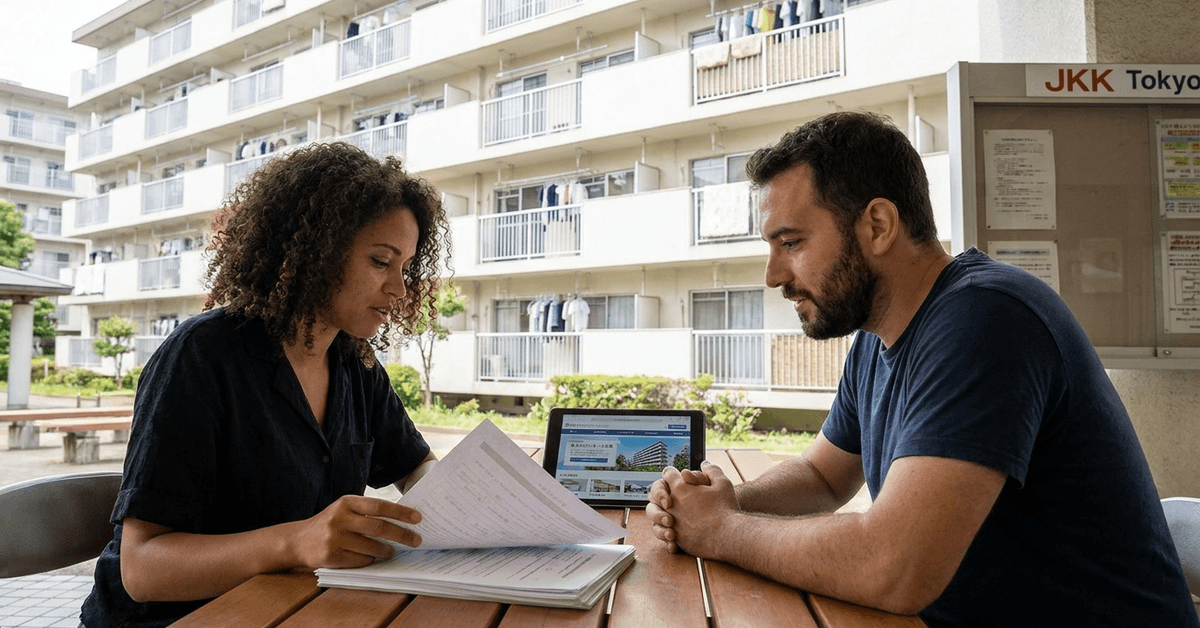
The application process is based on a lottery system rather than waitlists. This helps ensure fair opportunity for all eligible applicants, regardless of when they apply.
Main Advantages
- Consistently lower rent compared to private apartments in the same area
- Stable contracts, typically renewable each year
- Locations include city centers and suburbs, not just remote districts
How the Lottery Works
Applications are accepted during scheduled periods, typically twice or four times per year, depending on the city or ward.
Applicants meeting minimum criteria are entered into a random lottery. A draw decides who receives the public housing contracts.
Eligibility Criteria for Public Housing in Japan
Each municipality has slightly different requirements, but the basics are similar.
Primary Requirements
- Residency in Japan with a valid residence card and address registration
- Sufficient income (but not exceeding an upper cap) to pay rent
- Not owning a private property nearby
- No significant overdue taxes or public debts
For example, Tokyo’s Metropolitan Housing Authority requires annual incomes below a specific yen threshold. These caps are updated annually.
Other Considerations
Single applicants are welcomed, not just families. However, some buildings or room types may be prioritized for households with children or the elderly.
Major Cities: Public Housing Options and Authorities
Every major city in Japan manages its own applications. Researching local housing agencies is always suggested for up-to-date info.
Tokyo Metropolitan Housing
The JKK Tokyo (Tokyo Metropolitan Housing Supply Corporation) is one of the biggest organizations handling these applications. It covers wards like Shinjuku, Setagaya, and Edogawa.
Osaka and Surrounding Kansai Areas
The Osaka Municipal Housing Bureau manages applications for the city. In Kobe, the Kobe City Housing Corporation handles its lotteries.
Nagoya, Fukuoka, and Other Regions
- Nagoya City Housing Bureau
- Fukuoka City Housing Management
- Sapporo Housing Department
Smaller towns often combine resources at the prefectural level.
Step-by-Step: How to Apply for the Koukeihi Jutaku Lottery
Ready to enter the Koukeihi Jutaku lottery? Knowing each application step in advance can help you prepare documents, meet deadlines, and avoid common mistakes.
1. Find Upcoming Lottery Schedules
Municipal offices and authority websites post new lottery schedules every few months. Notices may appear in city newsletters or official Twitter accounts.
2. Gather the Required Documents
Getting your paperwork in order early can make the application smoother, faster, and easier to verify, especially when identity, income, and household details are required.
- Proof of income (recent payslips or tax certificate)
- Residence card (zairyu card)
- Proof of current address (juminhyo transcript)
- Identification (passport or health insurance card)
3. Choose Your Preferred Complex and Unit Type
Applicants can typically select up to three or more preferred buildings or unit sizes. Each family member's needs must match eligibility for that type of apartment.
4. Submit the Application Form
Paper forms are common, but many regions now offer web-based options. The JKK Tokyo official website provides stepwise guides for online applications.
5. Wait for the Lottery and Result Notification
After the closing date, a transparent lottery is held. Results are sent by mail or announced online. If selected, a move-in meeting and further screening may occur.
Increasing Your Odds in the Public Housing Lottery
While no strategy can guarantee selection, careful preparation, accurate applications, timely submissions, and understanding local priority rules can help you make the most of each opportunity.
Timing and Frequency
Applying every cycle increases chances. Cities like Osaka have more frequent lotteries, sometimes monthly.
Broaden Your Location Choices
Specifying less popular districts or more flexible room sizes can improve odds. Many skip outer suburbs, but these often have fewer applicants.
Use Official Tools and Apps
Official tools and apps can make the process easier by helping you check updates, verify requirements, track applications, and avoid unreliable information.
- The JKK Tokyo online portal lists available rooms and odds per site
- NHK’s Japanese Life Support App offers updated info in multiple languages
- Some local governments use LINE for announcements (add as a friend)
Step-by-Step: Preparing for a Successful Move-In
Being selected is only the beginning. Preparing for inspection, paperwork, initial payments, and housing rules can make the transition into public housing smoother and help prevent last-minute problems.
Inspect and Accept the Offer
Selected applicants are usually given a specific deadline to review and accept the offered unit. Check the property’s condition carefully and confirm details such as included fixtures, available utilities, parking, and any repairs that may be needed.
Review and Sign the Contract
Read the tenancy agreement carefully before signing. Pay attention to rent terms, renewal conditions, guarantor requirements, maintenance responsibilities, and reasons a tenancy could be terminated.
Requirements can vary by municipality and housing program, so follow the instructions included with the official offer.
Prepare Initial Payments
Applicants may need to arrange several costs before receiving the keys. Depending on the housing authority, these may include:
- First month’s rent
- Security deposit
- Administrative or document-related charges
- Other required move-in payments
- Confirm the exact amount and payment deadline directly with the housing office.
Understand Move-In Rules
Public housing may have specific rules concerning renovations, pets, parking, noise, guests, and shared facilities. Review these conditions before moving in so the household knows what is permitted.
Complete Final Move-In Preparations
Arrange utilities, update your address, and keep copies of the signed contract and payment receipts. If household circumstances later change, ask the housing authority whether transfer or unit-change procedures are available.
Tips for Foreign Applicants and Language Assistance
Applying in a different language can add extra challenges, but translation support, prepared documents, and the right local resources can make the process much easier to navigate.
Translation and Support Resources
- Local Multicultural Centers often provide translation services
- The Japan National Tourism Organization (JNTO) offers multilingual guides
It is helpful to bring a Japanese-speaking friend or interpreter for meetings or inspections, especially when discussing contract details.
Application Help for Non-Natives
Some cities publish English guides for public housing. Osaka’s official website has an English FAQ about their lottery process.
Common Pitfalls and How to Navigate Them
Small mistakes can create big delays. Knowing the most common application pitfalls, missed requirements, and timing issues can help you avoid setbacks and keep the process moving.
Missing Application Deadlines
Applications are only accepted during very specific timeframes. It is easy to miss the window if relying solely on word of mouth or posters.
Documentation Errors or Omissions
Incomplete forms or missing documents can lead to instant disqualification. Double-check requirements and request clarification at municipal offices if unsure.
Income Certificate Issues
A common mistake is supplying outdated or handwritten income records. A certified city tax certificate is usually required, so confirming with the administrative office ahead is wise.
Conclusion
The Koukeihi Jutaku lottery can provide an affordable housing option for eligible applicants in Japan. Careful preparation, timely applications, and use of local support services can make the process easier to navigate.
Even when selection does not happen immediately, staying informed and persistent can improve future opportunities.