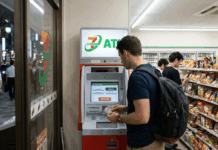
Seikatsu Hogo pays a single adult in Tokyo roughly 130,700 yen per month. That figure breaks down to about 77,000 yen for living expenses and up to 53,700 yen for housing. If those numbers sound low, they are.
Most guides treat Japan's livelihood protection system like a simple safety net. The application process, though, includes home visits where caseworkers have been known to check shampoo brands and count toothbrushes.



This article is for the foreign resident in Japan who just lost a job, took a pay cut, or ran into a medical crisis and needs to know whether seikatsu hogo is a realistic option or a bureaucratic dead end.
What Seikatsu Hogo Covers and Where It Falls Short
The program is not a single monthly deposit. It splits into eight categories of assistance, each calculated separately based on household size, age, and location.
A couple in their seventies reported receiving around 200,000 yen per month, covering rent, food, and basic necessities.
Living and Housing Assistance
Living assistance (seikatsu fujo) covers food, clothing, and daily expenses. The amount shifts depending on whether the recipient lives in a Grade 1 area like Tokyo or a lower-cost rural prefecture.
Housing assistance (jutaku fujo) pays rent up to a local ceiling. I would argue that the housing cap in Tokyo, set around 53,700 yen for a single person, barely covers a 1K apartment in most wards.
Medical Coverage Under Seikatsu Hogo
This is where the program gets interesting. Medical assistance (iryo fujo) covers 100% of public healthcare costs, including dental and mental health treatment.
Recipients do not pay out of pocket for hospital visits, prescriptions, or surgery at public facilities. For someone dealing with a health crisis on top of financial trouble, this single benefit can be worth more than the cash payment itself.
Educational and Vocational Support
Families with school-aged children can receive help for supplies and certain school fees. A separate category, seigyō fujo, covers costs tied to returning to work:
- Transportation to job interviews
- Vocational training fees
- Licensing exam costs when tied to a specific employment goal
These benefits are calculated on top of the base living assistance, not bundled into it.
Who Can Apply as a Foreign Resident
As of the end of 2025, Japan had a record 4.12 million foreign residents. The seikatsu hogo program was designed for Japanese nationals, but eligibility has expanded over the decades through administrative guidance.
Residence Status That Qualifies
Permanent residents, long-term residents, spouses of Japanese nationals, and recognized refugees can apply.
The deciding factor is the type of visa status, not nationality. Temporary visitors, students on limited-stay visas, and people on tourist visas cannot apply.
One detail that trips people up: the application goes to the fukushi jimusho (welfare office) in the municipality where the applicant is registered, not where they physically live. If a residence card shows a Saitama address, the Tokyo welfare office will turn the person away.
The "Use Everything Else First" Rule
Seikatsu hogo operates on a principle called hogo no hojusei, or supplementarity. The welfare office will ask whether the applicant has savings, sellable assets, or family members who could provide support.
Caseworkers sometimes contact relatives directly, a practice called shinzoku fusō chōsa.
I think the blanket advice to "exhaust family support before applying" is misleading for foreign residents, since many have no relatives in Japan and contacting family overseas creates a 2-to-4-week delay that people in genuine crisis cannot afford.
The Application Process at the Welfare Office
The process runs through four stages, and each one involves face-to-face interaction with caseworkers who have broad discretion.
Stage 1: The Consultation Visit
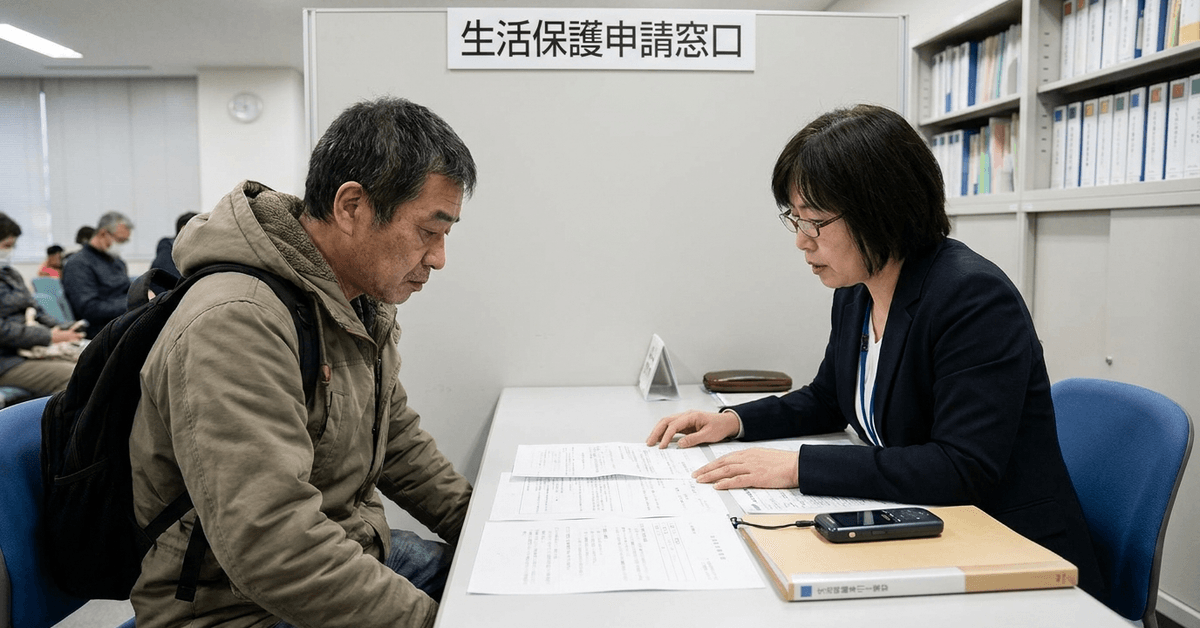
The first visit to the fukushi jimusho is technically a consultation (sōdan), not an application.
Caseworkers assess the situation and may try to redirect applicants to other programs. Some welfare offices have been documented discouraging applications outright, a practice called mizugiwa sakusen (turning applicants away at the water's edge).
Bringing a support person or a Japanese-speaking advocate from a local NPO changes the dynamic. Several organizations in Tokyo and Osaka specifically assist foreigners through this step.
Stage 2: Document Submission and Home Visit
After the formal application is filed, expect a home visit within one to two weeks. The caseworker inspects living conditions.
One recipient described the experience as having someone check what they were eating and counting their personal items. The stated goal is to assess needs, but the surveillance aspect can feel invasive.
Documents typically required at this stage:
- Residence card (zairyū kādo)
- Proof of income or lack of income
- Bank statements
- Rental agreement
- Any documentation of assets
Stage 3: Decision Timeline
The welfare office has 14 days to make a decision, extendable to 30 days if additional investigation is needed. Results arrive by mail.
If denied, an appeal (shinsa seikyu) can be filed within 60 days, though the process is slow and difficult to manage without legal help.
| Stage | What Happens | Typical Timeline |
|---|---|---|
| Consultation | Initial assessment at welfare office | Same day |
| Application | Document submission and home visit | 1-2 weeks |
| Decision | Written approval or denial | 14-30 days |
| Appeal (if denied) | Formal review request | Up to 60 days to file |
The total process from first visit to first payment can stretch to six weeks or longer.
The Stigma Problem and Why It Keeps People Away
As of December 2025, approximately 1.64 million households were receiving seikatsu hogo nationwide. Over half were elderly households, and more than 90% of those were single-person households. The numbers suggest a program heavily used by older Japanese citizens living alone.
Social stigma around welfare remains deeply embedded in Japanese culture, and foreign residents face a double layer: the general shame associated with public assistance plus the anxiety of drawing immigration attention while on benefits.
Does receiving seikatsu hogo affect immigration status? Technically, no. But people on certain visas or in the middle of a renewal have reason to consult an immigration lawyer before applying.
The program and the immigration system operate independently, yet caseworker reports and welfare records exist in government databases.
Practical Mistakes That Cost Applicants Time
The bureaucratic friction points are specific enough to plan around. A common error is visiting the wrong welfare office. Applications must be filed in the ward or city where the residence card is registered. Moving without updating the registration means starting over.
Another mistake: going alone without documentation. Caseworkers have wide discretion, and showing up with bank statements, a termination letter, and medical records shifts the conversation.
Applicants who arrive with nothing get sent home to gather paperwork, losing days or weeks. The third mistake is underestimating language. The forms, the interview, and the follow-up are all conducted in Japanese.
A few large cities offer multilingual support, but most municipal welfare offices do not. Local NPOs like TENOHASI in Tokyo or Moyai provide free assistance to people who need interpretation or advocacy during the process.
Questions People Ask About Seikatsu Hogo
These are the questions that come up most often for foreign residents considering livelihood protection in Japan.
- Q: Can I keep my car or other assets while receiving seikatsu hogo?
Caseworkers generally require recipients to sell vehicles unless the car is necessary for medical transport or employment in an area without public transit. The assessment is case-by-case, and rural residents have more room to argue necessity than someone in central Tokyo. - Q: What happens if I get a part-time job while on seikatsu hogo?
Earned income gets reported to the welfare office. The first 15,000 yen per month is typically deducted as a work incentive allowance, meaning it does not reduce the benefit. Anything above that reduces the payment yen-for-yen, which creates a disincentive to take low-wage part-time work. - Q: How long can someone stay on seikatsu hogo?
There is no fixed time limit. Recipients stay on the program until their income exceeds the minimum living standard for their household and location. Some elderly recipients remain on seikatsu hogo for the rest of their lives.
Conclusion
Seikatsu hogo exists as Japan's last-resort financial safety net, and it works for those who push through the process. The paperwork is demanding, the home visits feel personal, and the stigma is real.
But for a foreign resident facing genuine hardship in 2026, ignoring this program because of discomfort means leaving money and free medical care on the table.
Knowing the specific steps, timelines, and documentation gives any applicant a measurable advantage over walking in unprepared.