
Securing affordable housing can feel overwhelming for many renters today. Section 8 offers vital help to lower-income families, seniors, and people with disabilities across the United States.
This guide is designed for individuals and families hoping to understand how to access Section 8 assistance, especially how to join a voucher waiting list more efficiently.



Understanding how the process works can improve your odds of getting help. This overview delivers the key steps, critical tips, and examples from real cities—so you can navigate this system with greater confidence.
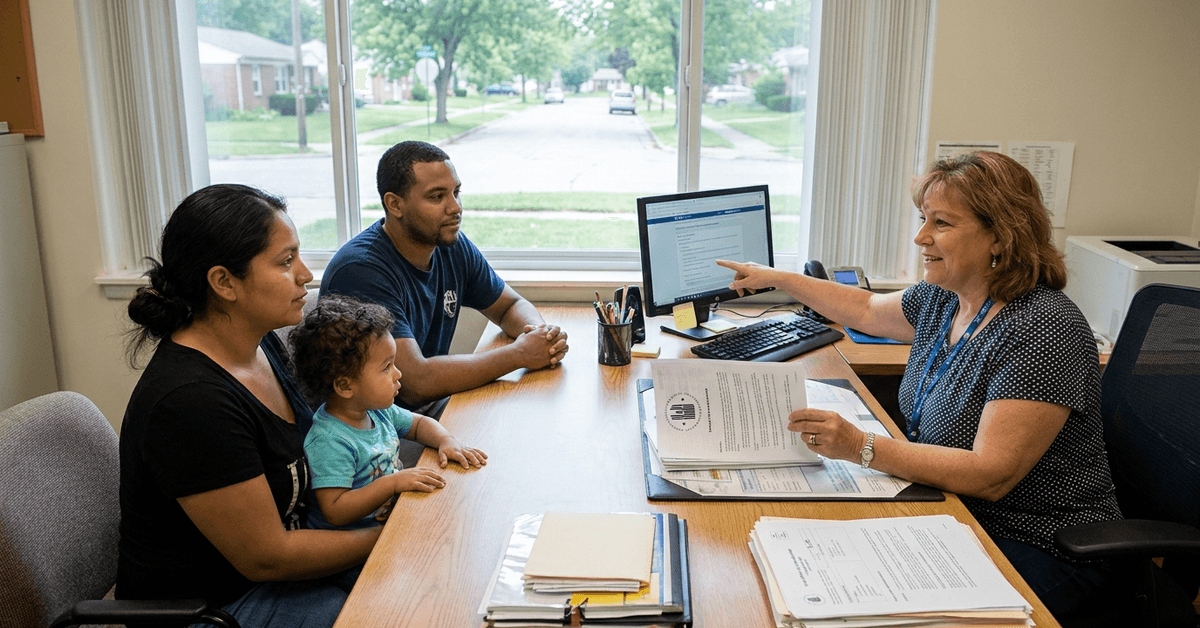
What Is Section 8 Housing?
The Section 8 Housing Choice Voucher Program is a government initiative that helps eligible renters cover a portion of their rent in private market units.
Administered by local Public Housing Agencies (PHAs), the program pays part of the rent directly to landlords. Renters pay the difference. Vouchers give families the flexibility to select a home that fits their needs.
Who Qualifies for Section 8 Vouchers?
Eligibility is largely determined by family income, size, and local housing costs. Generally, applicants must earn less than 50% of the median income for their area.
In most large cities, families with extremely low incomes (often less than 30% of area median) receive priority. For example, in Los Angeles, a family of four would need income below $49,650 (as of 2023) to be considered.
Document Requirements
Having the right paperwork ready can make the process faster, smoother, and easier to verify, especially when identity, insurance, income, or family details must be confirmed.
- Proof of citizenship or eligible immigration status
- Social Security numbers for all household members
- Birth certificates or legal ID for every member
- Recent proof of income from all earners
- Details on any assets and expenses
How to Find and Apply to a Section 8 Waiting List
Getting on a waiting list starts by finding out which PHAs have their applications open. The application period can open and close quickly, sometimes in just a few days.
Where to Search for Open Lists
- AffordableHousing.com maintains an up-to-date search for open waitlists nationwide
- City or county Public Housing Agency websites (for example, nyc.gov/nycha, lacda.org)
- U.S. Department of Housing and Urban Development (HUD) portal at hud.gov
Checking these resources regularly increases your chance of catching an open window.
Application Process Steps
- Collect all necessary documents before an opening is announced
- Monitor PHA sites and sign up for email alerts if available
- Fill out online applications quickly, as spots can fill or close fast
- Submit complete documentation as instructed. Double-check for errors
- Keep emails or printed confirmation of every submission
The process in cities like Chicago or Dallas may involve pre-applications that simply collect screening details ahead of a random lottery drawing.
How Long Are Section 8 Waiting Lists?
Wait times can be quite long, especially in highly populated regions. In places like New York City, it may take 8 to 10 years to move off the list. Smaller cities can often be much faster.
Certain groups, such as veterans, seniors, or people affected by disasters, may qualify for special preferences that move them up on the list.
Examples of Wait Times by City
- Los Angeles CA: 5–10 years
- Houston TX: 2–6 years
- Tampa FL: 1–3 years
- Spokane WA: 6 months–2 years (when open)
These numbers are only broad estimates and will fluctuate depending on local demand and changes in funding levels.
Improving Your Chances: Critical Tips
Securing a place on the list requires diligence and patience. There is unfortunately no way to guarantee a fast result, but a few actions can help.
Apply to Multiple PHAs
A practical step is to apply to waiting lists in several cities or counties. As long as you can verify intent to live within the area, multiple applications are usually permitted.
Check Lists Frequently
PHAs rarely announce openings in advance. Apps like Affordable Housing Online or WaitlistCheck.com offer notifications for open Section 8 lists. These give early alerts that can make a difference.
Update Your Application Yearly
Many agencies require regular updates or confirmations. If an update is missed, your application can be purged without further notice. Mark calendar reminders to prevent mistakes.
Seek Local Preferences
Many agencies award points or 'preferences' for certain conditions, such as homelessness, local residency, or having a disability. Evidence supporting these preferences should be included when you apply.
What Happens After You Join a Waiting List?
After your application is accepted, you will receive a written notice stating your status. Placement on the list means you are waiting, not yet approved for a voucher.
Periodically, the housing agency may contact you for updates. Failing to answer these requests can lead to removal from the list.
Important Next Steps
- Keep all documentation organized and ready
- Respond quickly to any agency communication
- Notify the agency of changes in income or contact details
Progress updates are not always frequent, so persistence is essential.
Receiving and Using Your Voucher
Once your wait time ends and you receive a voucher, the next steps move quickly. The window to find a landlord willing to accept your voucher is usually just 60 or 90 days.
Many find it difficult to secure a unit within this deadline, especially in markets with low rental supply. Begin your property search as soon as you are notified.
Finding Voucher-Friendly Housing
Finding the right home takes more than spotting an affordable rent. Focusing on voucher acceptance, location, unit condition, and landlord requirements can make the housing search much more effective.
- HUD’s rental search map at hud.gov
- AffordableHousing.com filter for voucher acceptance
- Local city PHA housing search pages
Inspection and Move-In
Once you find a suitable unit and your application is approved by the landlord, the property will be scheduled for an inspection to meet HUD safety and quality requirements.
After passing inspection and completing paperwork, you receive authorization to move in and start receiving rental assistance.
Section 8 Myths and Realities
Some believe the program is nearly impossible to access or that it serves only a few families. In many cities, tens of thousands of vouchers are in use every year.
The process does involve waiting, repeated documentation, and sometimes some frustration. However, with careful planning, many families find support that makes a lasting difference.
No legitimate agency will ever ask for fees to apply. If asked for payment, it may be a scam.
Conclusion: Steps Toward Secure Housing Are Worth the Effort
The road to Section 8 assistance takes time and effort, but for many, the wait can change lives. Staying organized and informed boosts your chance of success.
Regularly checking open lists, using official apps, and providing up-to-date documentation make the journey realistic and actionable. For those truly needing stable, affordable housing, these steps open the path to greater security and opportunity.