Stretching your grocery budget isn’t always easy, especially with prices fluctuating each season. Many Bulgarians feel that paying for everyday essentials takes a bigger chunk out of their paychecks these days.
Supermarket co-branded cards and retail credit solutions have started to appear more frequently on store shelves and in checkout lines.



But are they as helpful as marketing suggests, or are there important details to consider? For people seeking practical ways to manage their food expenses—or even just to smooth cash flow when funds run tight—this topic might prove especially relevant.
What Are Supermarket Co-Branded Cards and Retail Credit?
In Bulgaria, co-branded cards are payment cards issued through partnerships between a supermarket chain and a financial institution.
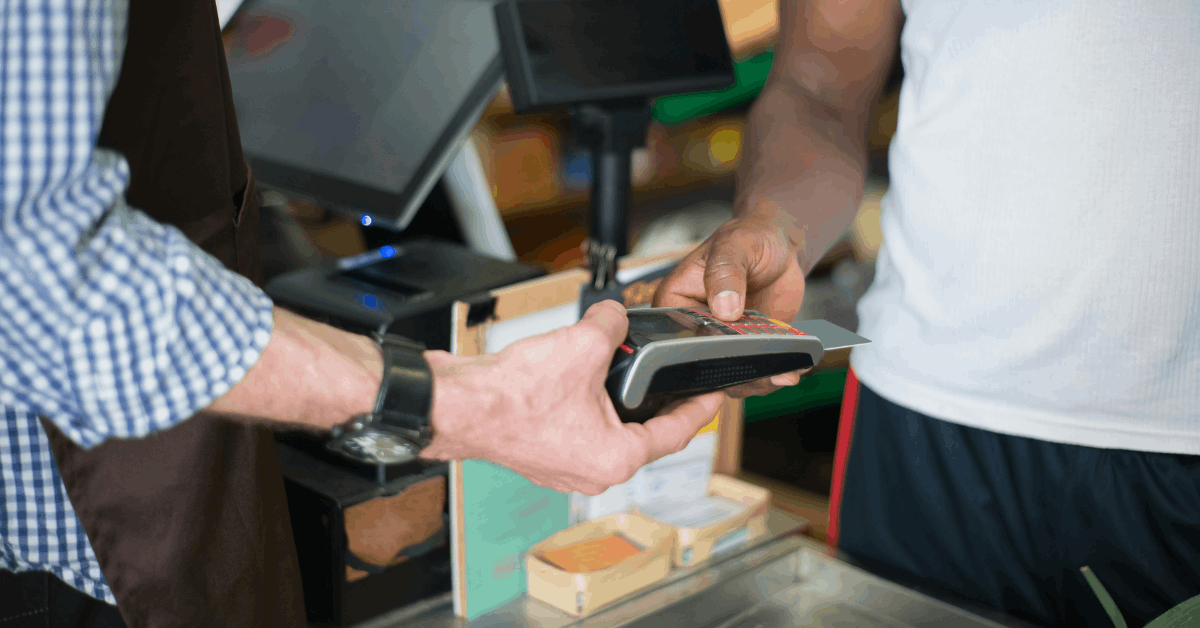
These cards blend retail loyalty points with credit, or sometimes debit, features. Meanwhile, retail credit typically means store-specific lines of credit or buy-now-pay-later (BNPL) solutions that help shoppers finance purchases over time. Both tools aim to support regular consumers, but work in slightly different ways.
How Co-Branded Cards Work
Shoppers may notice application kiosks or offers at major supermarket chains like Kaufland, Lidl, or Billa.
After approval, a co-branded cardholder can use the card at the issuing retailer—and sometimes elsewhere. Purchases may accrue points, discounts, or even cashback incentives.
Some cards combine credit and loyalty in one. It’s not always straightforward, though—terms, interest, and eligibility can vary.
Retail Credit Solutions
Retail credit, in the Bulgarian context, often refers to store-issued financing. This can mean revolving credit or short-term installment plans for groceries.
BNPL services, although common for online stores, sometimes appear in larger supermarkets too. For people short on cash before payday, such offers may seem tempting.
Why Bulgarians Are Exploring Grocery Financing?
The cost of living, including groceries, has risen over recent years. For many, this makes monthly budgeting a real challenge.
Financing solutions sometimes bridge the gap between income and expense, especially during major holidays or temporary job losses. There may be other motivations as well, though personal habits differ.
Fluctuating Food Prices
Price swings in staples such as bread, meat, and fresh produce have hit household budgets hard. Supermarkets try to offset this with discounts, but not every family can plan purchases around promotions.
Cards or lines of credit might enable spreading out payments, perhaps removing some immediate financial pressure.
Reward and Loyalty Programs
Some Bulgarians appreciate loyalty incentives—like exclusive discounts or rewards—attached to co-branded plastic.
These programs may boost a sense of control over spending, though their value depends on individual shopping habits.
Short-Term Financial Gap Filler
Sudden expense spikes—think unplanned guests or family events—can force shoppers to seek extra cash. Retail credit provides a very short-term solution, though it’s not the only option available in Bulgaria.
Main Supermarket Chains and Their Card Partnerships
While not every supermarket chain in Bulgaria offers credit solutions, several well-known names do collaborate with local banks or fintech providers. The structure, eligibility, and benefits differ quite a bit.
Kaufland Card Collaborations
Kaufland shoppers may be eligible for a card issued in partnership with banks like UniCredit Bulbank. The offer may combine loyalty points with moderate credit, although terms often require careful reading.
Billa and Their Rewards Solutions
Billa Bulgaria has frequently promoted a rewards program with integrated payment options. Some products act more like prepaid debit than revolving credit, but offer discounts or monthly specials to cardholders.
Other Retailers Getting Involved
Chains such as Lidl and Fantastico tend to focus on simple loyalty cards, but discussions about retail credit opportunities are underway. Not every retailer opts into these products, given the regulatory and operational complexity.
Pros and Cons of Using Co-Branded Cards & Retail Credit
As with most financial products designed for everyday use, there are pluses and minuses to consider.
There’s no truly one-size-fits-all answer here. For some, the extra flexibility is a lifesaver; for others, the downsides can outweigh the perks.
Potential Benefits
- Exclusive discounts and member pricing on groceries
- Possibility of cashback or point accumulation for future use
- Flexible payment options during tough months
- Opportunity for additional perks during special retailer campaigns
Possible Drawbacks
- Interest rates or late fees for unpaid balances (sometimes quite high)
- Potential for impulsive shopping, leading to overextended credit
- Complex terms and eligibility requirements—not always easy to understand
- Risk of impact on personal credit score with misuse
Eligibility, Application, and Approval Process
Not everyone will qualify for co-branded supermarket cards or store credit. Generally, eligibility is based on proof of Bulgarian residency, age, income, and sometimes credit checks. Retailers and financial partners each have their own standards, which can fluctuate over time.
What to Expect When Applying
Application kiosks are sometimes available right at the supermarket entrance, often with a representative ready to guide shoppers.
Most forms request basic identification, employment information, and perhaps a recent address. Sometimes the process feels much simpler than a traditional bank loan; however, approval isn’t guaranteed.
Duration and Limits
Credit limits for supermarket cards in Bulgaria tend to be modest, reflecting the average grocery budget.
Some retailers offer revolving lines of credit, which renew as balances are repaid. Others stick with fixed installment options.
Managing Costs: Avoiding Overuse and Staying Financially Healthy
Convenience can be a double-edged sword. It's tempting to stretch budgets with easy credit, but using these products wisely is crucial.
From personal anecdotes, there’s a pattern: disciplined use rewards organized buyers, but those caught unaware may rack up unnecessary debt.
- Track spending closely; keep receipts or use budgeting apps
- Limit borrowing to truly necessary purchases
- Pay off balances before interest accrues, if possible
- Review card and credit terms regularly—they change more often than some expect
Perhaps the best strategy involves combining co-branded card benefits with other savings techniques, like store discounts, coupons, or bulk buying. Every bit helps—at least, that's what many careful shoppers seem to believe.
Alternatives to Supermarket Cards and Retail Credit in Bulgaria
Retail credit isn’t the only resource for shoppers navigating tight months. Financial habits differ, and so do available support networks.
Some prefer using debit cards to avoid accidental overspending, while others explore personal bank lines of credit when needed.
- Community food cooperatives or seasonal farmers’ markets sometimes offer lower-priced staples
- Traditional bank credit or microloans, though usually at higher interest rates
- Family assistance during unexpected crises
- Digital wallets with budget control features
Weighing every alternative in relation to individual needs is perhaps the best approach. Nobody’s situation is quite the same, and priorities tend to shift over time.
Legal, Regulatory, and Tax Considerations
Supermarket co-branded cards and retail credit programs fall under Bulgaria’s consumer finance regulations.
That means all rates, fees, and terms must be clearly stated. Shoppers should request full documentation before signing up—legal protection is a real benefit here.
- All interest rates and charges need to be shown upfront, as regulated by Bulgarian law
- Disputes must be resolved either by the retailer’s financial partner or through the Bulgarian consumer rights authorities
- Cardholder rewards or cashback are not typically taxed, but it’s always safest to check annual statements for any surprises
Changes in consumer protection law can reshuffle which perks and processes are available, so it might help to follow updates from regulators or major consumer advocacy groups from time to time.
Practical Tips for Responsible Grocery Financing
While every household’s needs and habits are unique, a few universal suggestions might keep grocery shopping manageable and stress-free.
Some shoppers advocate for simple, old-fashioned lists; others recommend modern budget tracking apps. Experience points to a handful of strategies that often prove valuable:
- Set a realistic monthly grocery budget, even before activating any new card
- Pay balances in full, where possible, to avoid extra costs
- Opt for cards or credit programs with low fees and transparent terms
- Stay aware of how financing impacts longer-term finances—especially if using multiple sources of credit
Conclusion
Supermarket co-branded cards and retail credit in Bulgaria can be helpful tools for managing grocery costs, but their value depends on how carefully they are used.
Discounts, rewards, and short-term flexibility may ease pressure during expensive months, yet fees and overspending can quickly reduce those benefits.
Shoppers who understand the terms, track their spending, and avoid carrying costly balances are more likely to gain real value from these products. For most households, grocery financing works best as a controlled support tool rather than a long-term habit.
Last updated on May 18th, 2026 at 04:03 pm