Understanding public assistance programs can feel overwhelming. The WIC application process can support eligible pregnant women, infants, and young children facing food insecurity.
This guide explains who qualifies, how to apply, required documents, and available benefits. It also covers common application steps and ongoing responsibilities after enrollment.



What Is the WIC Program?
The WIC program provides supplemental foods, nutrition education, breastfeeding support, and healthcare referrals. States administer the federal nutrition program under national eligibility rules, keeping core requirements consistent.
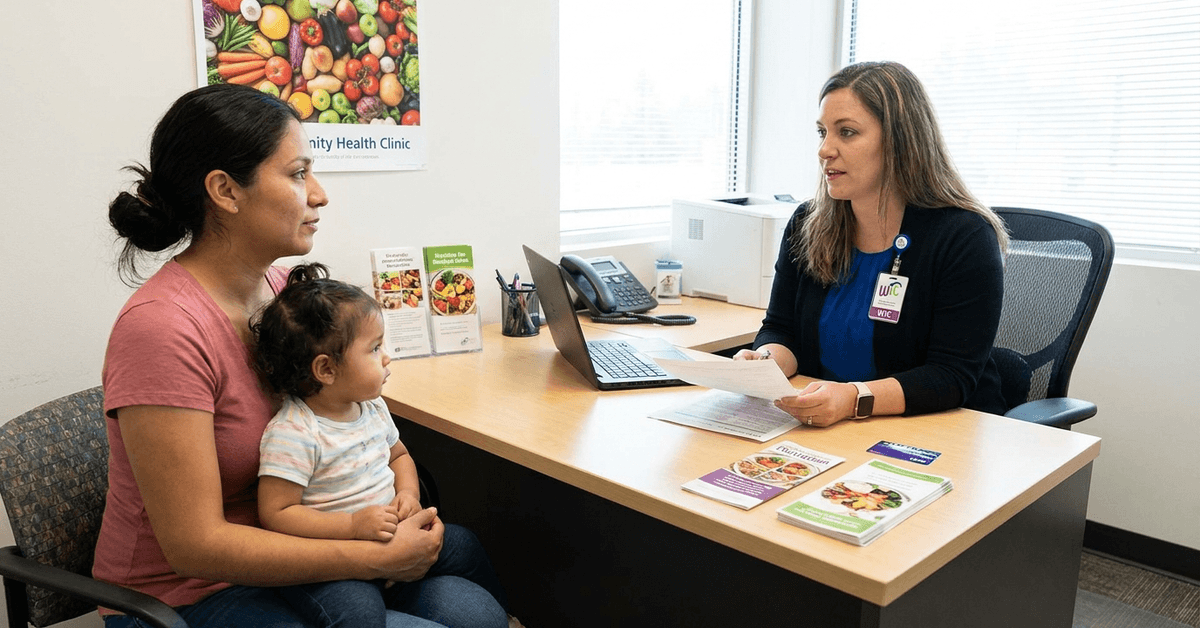
WIC focuses on supporting healthy nutrition and development during pregnancy, postpartum recovery, infancy, and early childhood.
Participants may receive approved foods, practical nutrition guidance, and referrals to healthcare or social services. Many families rely on these combined support services during challenging financial periods.
Who Is Eligible for WIC Assistance?
WIC generally serves pregnant, postpartum, or breastfeeding women, infants, and children younger than five.
Applicants must satisfy income, residency standards, with income limits often set at 185% of the federal poverty line, while nutritional risk is required.
Basic Eligibility Groups
Several categories of women, infants, and children may qualify for WIC assistance. These eligible participant groups are based mainly on pregnancy status, postpartum status, breastfeeding, and a child’s age.

- Pregnant women
- Postpartum women, up to six months after birth or the end of pregnancy
- Breastfeeding women, up to one year after childbirth
- Infants, up to age one
- Children, ages one through four
Additional Requirements
Applicants must usually meet financial guidelines and live in the state where they apply. They may need to provide residency proof, identity records, and income information while completing the eligibility verification process.
Nutritional risk must also be established through a health or nutrition assessment, and working parents or students may qualify when they meet the requirements.
How the WIC Application Process Works?
The WIC application usually follows several practical steps, from locating an agency to completing enrollment. Understanding the expected application sequence can help applicants prepare documents and avoid unnecessary delays.
1. Finding Your Local WIC Office
The process starts by contacting a local WIC agency serving the area. Applicants can use state or local program directories, contact a health department, or find local clinic information when identifying the nearest WIC location.
Calling ahead can help people with transportation or accessibility concerns learn what assistance is available.
2. Scheduling an Appointment
Applicants generally need an appointment to complete eligibility and nutrition-related steps. Depending on the local agency, they may call, use an online system, or schedule appointment arrangements through another approved method. Confirming the required appointment documents beforehand can reduce delays.
3. Preparing Required Documents
Applicants normally bring records showing identity, address, household income, and information for participating children. Local offices may accept several different document types, so applicants should ask which alternatives are allowed.
- Photo identification, such as a driver’s license, passport, or state ID
- Utility bills or lease agreements for address verification
- Recent pay stubs, tax returns, or Medicaid or SNAP letters
- Birth certificates or other documentation for children
If a requested item is unavailable, applicants should explain the issue before the visit. WIC staff may provide alternative documentation guidance based on local procedures and the applicant’s situation.
4. Undergoing a Health or Nutrition Assessment
A qualified professional usually evaluates nutritional risk as part of WIC certification. Applicants may complete health screening steps involving measurements, diet questions, medical history, or a simple blood test when required.
The nutrition assessment helps staff identify needs and determine whether the applicant meets this part of eligibility.
5. Finalizing Enrollment and Receiving Benefits
When financial, residency, categorical, and nutritional requirements are confirmed, staff explain participation rules and available benefits.
Approved participants may receive an EBT card or another authorized benefit method used by their state agency. Staff can also explain approved foods, benefit periods, nutrition education, and future appointments before enrollment is completed.
Types of WIC Benefits Provided
WIC provides more than supplemental foods and can connect families with several nutrition-related services. These program benefits are intended to support healthier pregnancies, infant feeding, and child development.
Core Food Package Inclusions
Food packages vary according to participant category, age, breastfeeding status, and nutritional needs. Typical approved WIC foods may include several staple items selected under program rules.
- Infant formula or infant cereal
- Milk, eggs, and cheese
- Whole grains and legumes
- Fresh fruits and vegetables
- Peanut butter or beans
- Iron-fortified cereals
Food packages can change as a child grows or a participant’s nutritional situation changes. Staff generally explain the current approved foods and how participants can use their benefits at authorized stores.
Nutrition education and breastfeeding counseling may also help families make practical choices that fit their needs.
Managing WIC Benefits Over Time
WIC is not necessarily a one-time service, and eligible participants may continue receiving support through certification periods. Regular program follow-up helps agencies confirm that eligibility information remains current.
Participants may need periodic recertification appointments and should report relevant changes requested by their WIC agency.
A new baby, changing income, or another household change may affect eligibility or benefits. Keeping household information current can make future appointments and benefit updates easier to manage.
Common Issues and How to Handle Them
Applicants may experience delays because of missing documents, limited office hours, transportation problems, or communication barriers. Preparing ahead and asking for available support options can make these issues easier to handle.
Many agencies provide language assistance, appointment guidance, and explanations of acceptable records. Applicants can prepare questions and request an interpreter or accessibility support when needed.
Contacting the local WIC office early may also help resolve document or scheduling concerns before an appointment.
Frequently Asked Questions About the WIC Application Process
The WIC experience can vary somewhat by state and local agency. Reviewing common applicant questions can help families know what to discuss with staff.
- How soon can benefits start after approval?
- What happens if eligibility is denied?
- Can an applicant appeal a WIC decision?
- How is personal information handled?
- Do WIC benefits affect other state or federal assistance?
Answers may depend on state procedures, individual circumstances, and the reason for a particular decision. Applicants should review written notices and ask program staff directly when they need clarification about eligibility, privacy, appeals, or benefit timing.
The official USDA WIC information can also help applicants understand federal program basics and locate state resources.
Conclusion
The WIC process becomes easier to navigate when applicants understand eligibility, documents, appointments, and nutrition assessments. Preparing required information early can help reduce avoidable application delays.
Participants should also stay informed about benefit rules and recertification responsibilities after approval. With clear guidance, WIC can provide valuable nutrition, education, breastfeeding, and referral support for eligible families.