Food delivery networks are booming across Europe , offering more than just a part-time job. They bring real flexibility for students, those between jobs, or anyone exploring gig income.
Understanding how application processes work can help job seekers tap into this growing market efficiently.



This article is designed for new applicants, occasional couriers, or even research-oriented readers interested in how food delivery jobs work in the European region.
The key benefit? Getting information that makes entry smoother and helps set realistic expectations.
Why Food Delivery Network Jobs Are Gaining Momentum Across Europe
In recent years, food delivery networks have expanded dramatically, partly fueled by urbanization and lifestyle shifts. With restaurants adapting to changing demands, couriers are increasingly in need, particularly in large cities and suburban areas.
Increased Demand in Urban Hubs
Population clusters create vast opportunities. For instance, cities like Berlin , Madrid , and Paris have experienced steady increases in food delivery requests, especially during evenings and weekends.
Flexible Schedules Fit Modern Lifestyles
The option to choose working hours allows applicants to balance studies, childcare, or another job. Sometimes, couriers blend it with other freelance roles, appreciating the autonomy.
Accessible Entry Requirements
For many, food delivery offers one of the most accessible job markets. The application process is relatively simple, often sparing applicants from lengthy interviews or specialized qualifications.
Key Food Delivery Platforms Operating in Europe
Several major brands lead the European food delivery space. Each operates in various countries, maintaining individual recruitment criteria while sharing some application similarities.
Uber Eats
Uber Eats is present in dozens of European cities. Their streamlined application allows couriers to onboard quickly, sometimes with only identity verification and bike or car registration needed.
Glovo
Glovo extends across Spain, Italy, Portugal, and Eastern Europe. Its onboarding process is largely digital, requiring basic documents and occasional training modules depending on local regulations.
Deliveroo
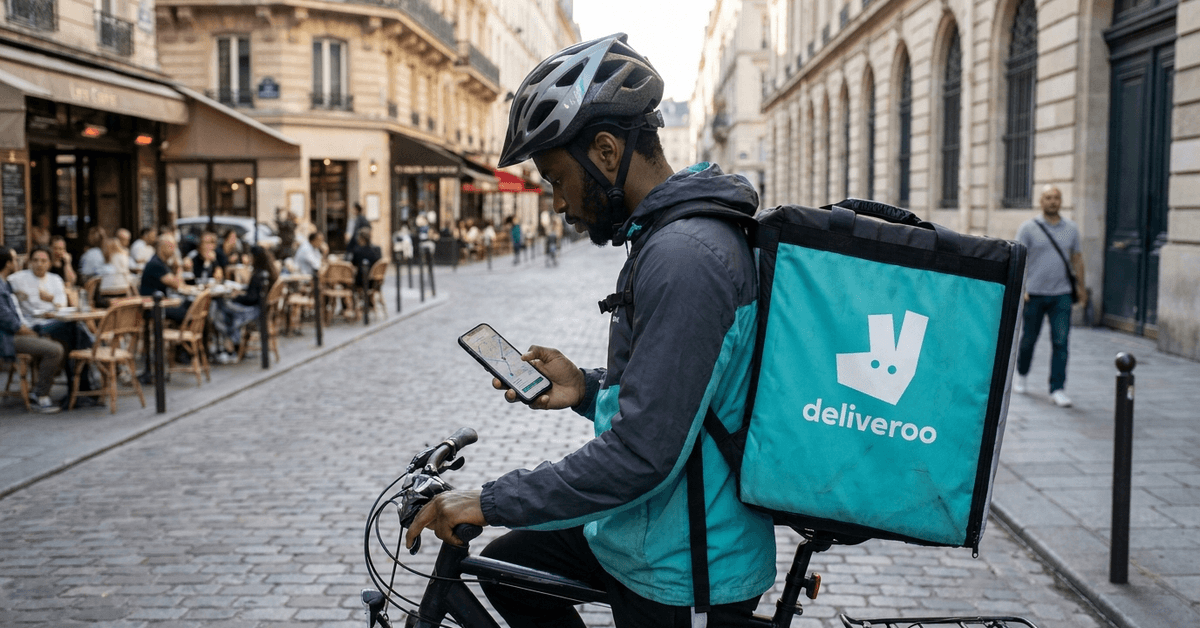
Known for its presence in the UK, France, and Italy, Deliveroo appeals to those valuing structured support and branded delivery equipment. Most countries require proof of work eligibility and vehicle insurance.
Just Eat
Just Eat operates across the UK, Germany, and Benelux. Some cities focus on car or scooter couriers, while others are open to bicycles or walking. A local approach often defines recruitment.
Typical Requirements for Joining a Food Delivery Network
Most platforms maintain straightforward application steps, though occasional differences exist. Nevertheless, some basic requirements tend to repeat, regardless of the network.
Minimum Age and Legal Status
Applicants should typically be at least 18 years old. Proof of identity and, where needed, a valid residency or work permit is almost always requested for compliance with local labor laws.
Vehicle and Equipment
Most food delivery roles suggest a bicycle, scooter, or car. Insurance and roadworthiness certificates may be necessary, particularly for motor vehicles. Some companies offer branded bags, while others provide guidance only.
Smartphone and App Savvy
A modern smartphone is essential since all orders are managed via platform apps. Moderate app proficiency—such as navigation and order confirmation—helps minimize errors and increase efficiency on the job.
Basic Background Screening
Background checks are common. Platforms might review criminal records or conduct brief reference checks, especially in regions with stricter gig economy legislation.
Step-by-Step Application Journey for European Food Delivery Networks
The application pathway often includes a handful of online stages. Having documents and information prepared speeds up the process and can minimize delays.
Profile Registration
First, visit the network's official website and complete the signup form with your details. Choose a city, vehicle type, and preferred schedule if asked. Contact information must be accurate for verification purposes.
Uploading Required Documents
Expect to upload identity proof, driving license (if relevant), and, perhaps, right-to-work paperwork. Some providers supply an app walkthrough or digital onboarding so applicants understand the expectations.
Background Checks and Consent
Consent to background screening is typically requested standard. Occasional local variations might require health certificates or insurance verification, though this varies between locations and companies.
Training and Final Steps
Some networks feature introductory videos or online training. This gives insight into customer service expectations and app navigation. Once approved, the courier dashboard opens, and deliveries can be accepted immediately or after equipment is dispatched.
Best Practices for Application Success and Positive First Experiences
While the process sounds simple, small steps can help set realistic expectations and build a smoother onboarding. Preparing documents, understanding the app interface, and familiarizing oneself with common delivery routes in the area can make the first week more manageable.
Prompt Document Submission
Quickly supplying accurate documentation tends to reduce waiting time. Missing or unclear paperwork sometimes slows things down, especially during peak recruitment periods.
Read and Review Platform Policies
Most companies offer concise onboarding guides. Reviewing these helps avoid simple mistakes, like arriving late to an initial shift or misunderstanding rating systems.
Explore Support Resources
Popular networks usually offer in-app help sections or community forums. These can be useful for troubleshooting, especially during the first few days.
Legal and Tax Considerations for Couriers in Europe
Applicants should be aware that, as independent contractors, they are generally responsible for their own taxes and insurance. Local compliance differs by country, but some common points apply throughout Europe.
Self-Employment Registration
Many countries require couriers to register as self-employed workers. This process is straightforward in places like Spain or the UK, although timelines and procedures may vary.
Tax Reporting Obligations
Gig workers are usually responsible for self-assessment tax returns. Some governments have dedicated guidance; for instance, UK-based workers can refer to HMRC’s official self-employment tax return page for details.
Insurance and Accident Coverage
Vehicle insurance may be obligatory, especially for scooters and cars. Additionally, some cities suggest or require courier accident or health coverage, so double-checking local requirements could be prudent.
How to Start Your Application for Food Delivery Jobs Today
Europe’s top food delivery networks have made the application process as seamless as possible. New applicants can submit their details via the official company sites. Interested in joining? Explore Uber Eats' official registration page to begin today.
Conclusion: Empower Yourself with Flexible Opportunities
With the food delivery sector showing no signs of slowing down, opportunities for flexible and supplemental income are only growing across Europe.
By understanding each step, requirements, and possible challenges, applicants may feel better equipped and more confident as they set out. While uncertainty can exist in gig work, many find satisfaction—and steady pay—in this evolving landscape.