
Finding new ways to make groceries more affordable is definitely a priority for many households in Bulgaria. With food prices fluctuating and family budgets under pressure, cashback credit cards for groceries have emerged as an attractive solution.
If you’re shopping regularly in supermarkets and want your purchases to work harder for you, it’s worth exploring how these cards function and how they might fit into your financial routine.



This guide is especially suited for individuals and families living in Bulgaria—whether you cook every day or just enjoy an occasional trip to the supermarket.
If you’re someone looking for practical tips to save on food expenses or simply like to maximize card rewards, browsing this comparison may offer useful ideas.
The major benefit comes down to value: using the right cashback card could mean a bit of extra cash in your pocket every month. Plus, it can turn everyday spending into meaningful savings over time.
Understanding Cashback Credit Cards in Bulgaria
Before comparing specific cards, it seems helpful to clarify what cashback credit cards actually are. Unlike standard cards, cashback cards give a small percentage of your eligible spending back as a reward.
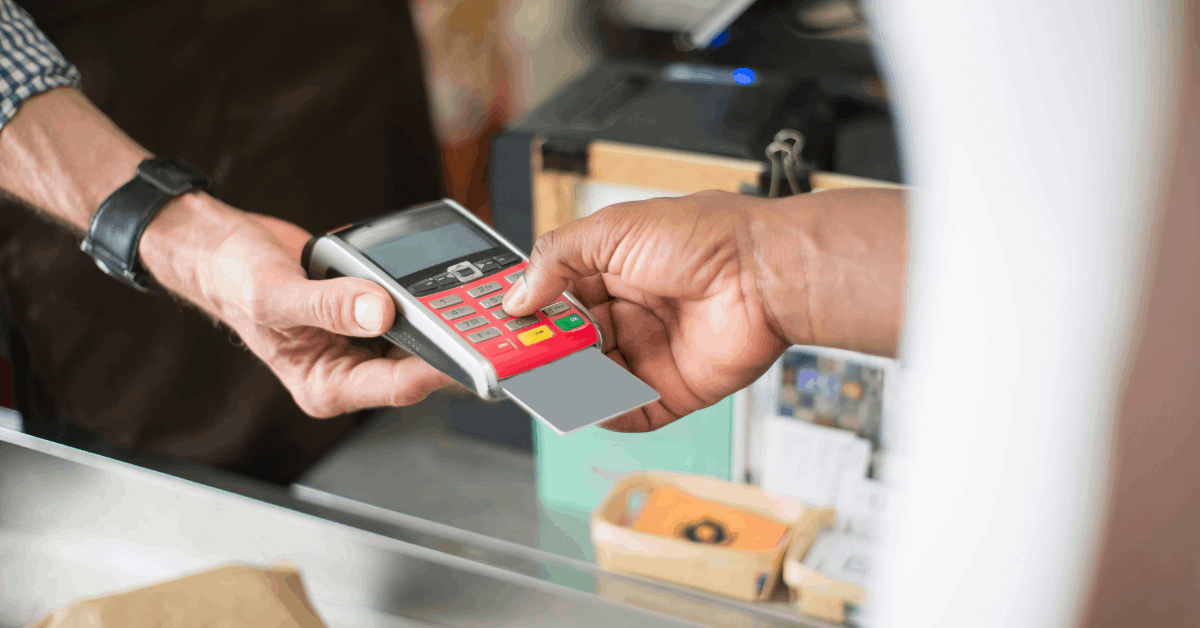
That cash back often appears as a credit on your statement, sometimes monthly or quarterly. In Bulgaria, these rewards can range from 0.5% up to 5% or more, though the highest rates are typically tied to specific spending categories, like groceries.
Now, the exact cashback rate and the way rewards are paid can differ between banks. Some cards focus specifically on supermarket shopping; others offer a flat rate no matter where you shop.
It’s worth noting that certain cards require enrollment in loyalty programs, while a few may come with annual fees. These details can really affect the final value you get from your card.
Why Focus on Groceries? The Everyday Savings Rationale
Groceries are, for most people, a recurring expense—maybe even the largest monthly one after rent or utilities.
Earning cash back on frequent purchases just makes more sense for consistent savings. I have noticed a lot of people underestimate the impact: even a 2% rate, if you’re spending 600 BGN per month on food, brings a yearly reward of about 144 BGN.
It’s not life-changing perhaps, but over a few years, it might add up nicely. And if you’re shopping for a famiy, those savings multiply even further.
Plus, in Bulgaria’s larger cities, competitive supermarket promotions have been common in recent years. When combined with your card’s cashback policies, the opportunity for savings gets even better.
It’s probably not the single easiest way to become rich, but it does make ordinary shopping feel a bit more rewarding.
Key Factors When Comparing Cashback Cards
Not all cards are made equal. To find the best card for your situation, several factors should be weighed.
Considerations like cashback rate, annual fees, merchant restrictions, and ease of redemption can influence the real value.
Cashback Percentage on Groceries
Look for cards offering the highest rates at supermarkets, not just a flat rate on all spending. Some cards may offer a boosted rate only for particular partners or select chains.
Annual or Monthly Fees
Some cashback credit cards come with service fees. It’s essential to see if your probable annual cashback will offset these costs.
Sometimes, no-fee cards offer a slightly lower rate, but can still be better value depending on your spending patterns.
Eligibility Requirements
Consider whether a certain income, active bank account, or credit history is necessary. Some premium cards may be out of reach for younger applicants or those with limited financial histories.
Partner Supermarkets and Merchant Category Codes
Some cards only reward purchases from affiliated supermarket chains. Checking the list of eligible merchants can help avoid surprises.
Certain cards may rely on merchant category codes, so small specialty food stores might not always be included.
Redemption and Cashback Policy
Is cash back paid monthly, quarterly, or only after you reach a minimum reward threshold? Clarity around this ensures you’ll actually benefit from your strategy.
Comparing Popular Cashback Credit Cards for Groceries in Bulgaria
Several Bulgarian banks and international providers offer cards with attractive grocery cashback offers. Here’s a breakdown, based on publicly available information as of 2024. Policies may change, so it’s wise to check bank websites directly for updates.
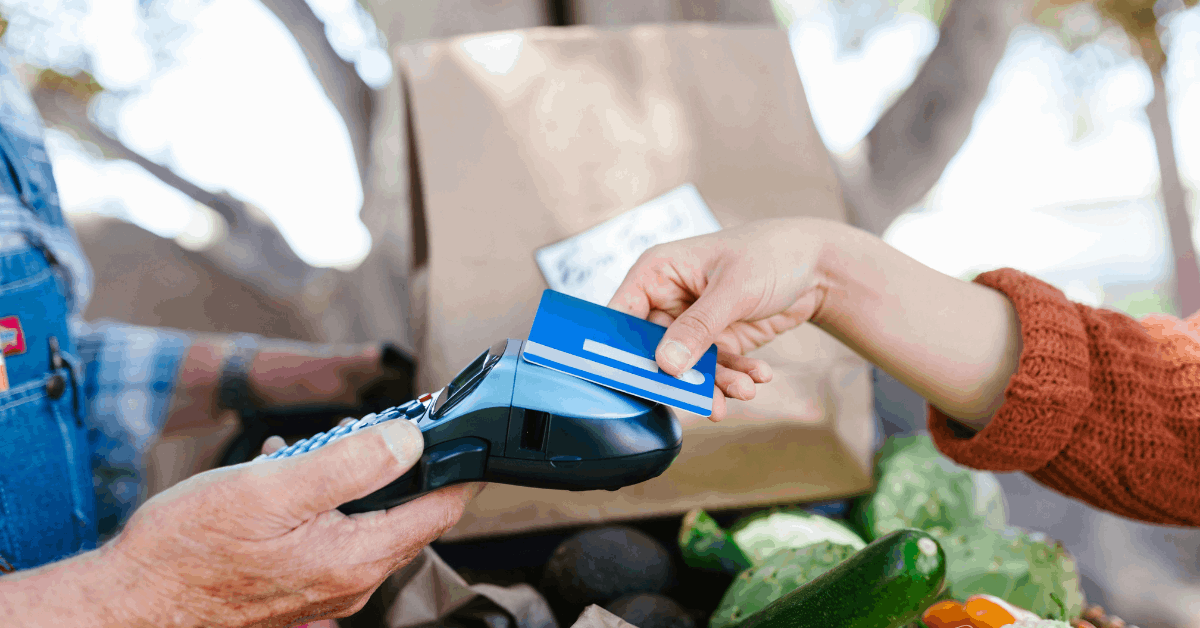
UniCredit Bulbank – Shopping Card
- Cashback: Up to 5% at select supermarket partners (varies by promotional period)
- Annual Fee: No fee for the first year, then a moderate annual charge
- Requirements: Standard income eligibility, open to new and existing customers
- Notes: Cashback accrues and can usually be redeemed as a statement credit or direct payment
DSK Bank – Cashback Card
- Cashback: 2% on all supermarket and grocery store payments, capped at a monthly maximum
- Annual Fee: Modest yearly charge; sometimes waived if you’re an active account holder
- Merchant Partners: Applies broadly across Bulgaria; specifics listed on their official site
- Notes: No minimum redemption threshold
Raiffeisenbank – ONE Card
- Cashback: 1.5% on groceries plus additional perks on fuel and pharmacy purchases
- Annual Fee: Moderate; can be offset by frequent use
- Eligibility: Monthly income requirements apply
- Redemption: Cashback credited directly to your card each month
Revolut – Metal Card (International Option)
- Cashback: Up to 1% globally; not exclusive to groceries, but applies to supermarket shopping
- Annual Fee: Higher, as part of a premium subscription
- Other Perks: Useful for travelers or those shopping outside Bulgaria
- Notes: Not a Bulgarian bank, but popular among expats and frequent travelers
Which Cashback Card Fits Different Types of Shoppers?
Everyday Family Shoppers
Families with regular, high-volume grocery purchases might get the best results with cards like UniCredit or DSK that offer above-average supermarket rates.
If you buy mostly from larger chain stores, those targeted rates are likely to build up noticeable rewards quickly.
Single Shoppers or Occasional Cooks
For individuals or those who don’t buy large weekly hauls, a flat-rate card with minimal fees might be more cost-effective. Lower minimum spending thresholds and flexible redemption can make all the difference here.
Expats or Frequent Travelers
If you often shop outside Bulgaria or split time between countries, international cards such as the Revolut Metal Card might be worth investigating. Yes, a higher annual fee applies, but global cashback adds versatility.
How to Maximize Cashback from Grocery Spending?
Choosing the right card is just the first step. Some techniques can help you boost rewards and avoid pitfalls.
- Schedule larger purchases to coincide with promotional periods or cashback boosts
- Sign up for supermarket loyalty programs—some cards offer extra incentives when used together
- Watch for quarterly or seasonal changes in cashback categories
- Double-check merchant category codes if you shop at specialty food stores
- Pay off your credit card balance monthly; interest charges can easily outweigh any cashback earned
In my opinion, combining supermarket apps and a high-reward credit card has made a modest but steady difference over the past year. That said, remembering to use the right card at the right shop takes a bit of habit-building.
Potential Downsides and Considerations for Bulgarian Shoppers
While cashback rewards sound enticing, it’s fair to acknowledge some limitations. Cashback rates can change—often with little notice.
Caps on monthly rewards are common, so high spenders may not always realize the advertised rate across all their purchases.
Some cards require you to use only certain supermarket chains for optimal rates. Small or independent grocers might not be included.
If supporting local retailers matters to you, it’s worth checking eligibility at your favorite shops before relying on one card exclusively.
Finally, as with all credit products, responsible usage is key. Carrying debt or missing payments will usually erase any benefit from rewards. For some, a debit card or cash payment (perhaps paired with a digital cashback app) is a safer route.
Legal, Tax, and Privacy Implications
In Bulgaria, cashback rewards on credit cards are generally not considered taxable income, provided they are structured as rebates or statement credits.
However, promotional offers or contest winnings can sometimes have different tax implications, so reading the card’s terms is smart.
From a privacy standpoint, banks and card issuers do track shopping patterns to allocate rewards. While that information is usually used internally for marketing, it’s wise to review privacy policies.
If data sharing is a concern, opting for local banks with strict data controls may provide added reassurance.
Tips for Maximizing Grocery Cashback
- Choose a card that matches where you actually shop so partner-store restrictions do not reduce your rewards.
- Compare cashback rates against annual fees to make sure the card delivers real net savings.
- Use supermarket loyalty programs together with your card when possible to stack savings.
- Pay your balance in full each month so interest charges do not wipe out your cashback.
- Watch for changing categories, caps, and promotions because grocery rewards can shift over time.
Conclusion
Cashback credit cards for groceries can be a practical way for Bulgarian households to reduce everyday spending while earning small but steady rewards over time.
The best option depends on shopping habits, annual fees, partner supermarket coverage, and how easily cashback is redeemed.
While the savings may seem modest at first, they can add up meaningfully when paired with regular grocery spending and responsible credit use.
For most shoppers, choosing a card that matches real buying patterns is the smartest way to turn routine purchases into extra value.
Last updated on May 18th, 2026 at 04:03 pm