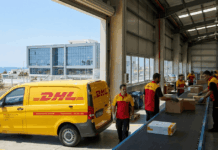
New Zealand’s logistics sector supports businesses through shipping, warehousing, and delivery across the country. DHL remains a recognized employer for people seeking practical work and development at different levels.
This guide explains roles, culture, benefits, recruitment, skills, and challenges today. It also outlines what applicants should consider before pursuing a long-term career there.



Why Consider DHL Careers in New Zealand?
DHL operates across several logistics functions for different experience levels and working preferences across several business areas. Candidates researching DHL jobs NZ may find roles in delivery, warehousing, support, technology, and management.

Consistent Demand Across the Country
New Zealand relies on dependable parcel, freight, and supply-chain services. This steady demand can support employment opportunities even when vacancies change by location or season. Applicants should review listings because staffing needs differ across locations.
Diverse Roles Within One Brand
DHL employs people in courier, warehouse, office, technical, and specialist functions. This role variety can appeal to workers who want to enter logistics and later change departments.
People researching logistics careers New Zealand should compare duties, shifts, qualifications, and physical expectations before applying.
International Exposure and Training
A global company can expose employees to standardized systems and international logistics practices. DHL highlights employee development through learning opportunities and internal mobility. Training varies by role, but employees may build useful industry skills.
Key DHL Job Opportunities Available in New Zealand
Opportunities can range from frontline work to specialist and leadership positions depending on business needs. Understanding job categories helps applicants focus on roles matching their experience and goals.
Popular Entry-Level Positions
Entry-level work may include sorting, warehousing, support, or delivery in major centres. Candidates searching for delivery driver jobs Auckland should expect requirements involving a valid licence, safe driving, reliability, and customer interaction. Warehouse applicants may handle scanning, lifting, movement, and team tasks.

Skilled and Specialist Jobs
Specialist vacancies may appear in customs, freight, supply-chain planning, sales, technology, finance, or compliance.
These technical positions often require qualifications, industry knowledge, or experience. Applicants interested in supply chain careers can strengthen their prospects through analytical, regulatory, digital, and communication skills.
Leadership and Supervisory Roles
Supervisors and managers coordinate teams, workflow, safety, performance, and service targets. These leadership positions usually require communication, organization, decision-making, and operational experience.
Internal advancement can occur when vacancies appear, but promotion depends on performance, qualifications, business needs, and competition.
Work Environment and Culture at DHL
Conditions differ across warehouses, delivery routes, offices, and specialist teams. DHL presents teamwork and development as important parts of its employment culture, although experiences vary by site and role.
Focus on Training and Staff Growth
New employees may complete induction, safety instruction, systems training, and practical learning. This structured training helps workers understand procedures, equipment, and service expectations.
Ongoing learning can also support employees pursuing specialist, supervisory, or professional positions.
Commitment to Diversity and Inclusion
DHL describes inclusion and respect as important elements of its global workplace culture. A diverse workforce can bring different experiences, languages, and perspectives into operational and office teams.
Applicants should judge opportunities by the team, manager, conditions, and expectations discussed during recruitment.
Work-Life Balance Considerations
Operational logistics may require early starts, evenings, weekends, or rotating shifts. These working patterns may suit some employees while challenging others with family, study, or commuting commitments. Candidates should ask about hours and rosters before assuming every role offers equal flexibility.
Benefits and Perks of Working at DHL New Zealand
Pay and benefits depend on position, location, hours, and employment agreement. Candidates should evaluate the complete employment package rather than assume benefits are identical across every operation.
Competitive Compensation
Compensation varies according to duties, experience, shifts, contract terms, market conditions, and local agreements.
Applicants should review pay information and clarify unclear details before accepting an offer. Overtime, allowances, or other payments may apply depending on the position.
Health, Safety, and Wellbeing Programs
Safety matters in delivery, warehousing, freight, and material-handling environments where physical tasks are common.
DHL emphasizes workplace safety through training, procedures, and support resources. Employees should follow site rules, use equipment correctly, and report hazards.
Career Progression Opportunities
Employees can build experience through daily work, internal training, and exposure to different logistics functions.
These career opportunities may support movement into specialist, supervisory, technical, or management positions. Progression depends on performance, vacancies, qualifications, and role requirements.
Employee Recognition Programs
DHL uses recognition initiatives to highlight performance, teamwork, or service across parts of its business.
These recognition programs can support morale and acknowledge employee contributions. Awards vary by business unit and are not guaranteed benefits.
How to Get Started: DHL Job Application Process in New Zealand
Applications normally begin through official company recruitment channels or established employment platforms throughout New Zealand. Understanding the DHL hiring process can help candidates prepare documents and respond efficiently.
Required Qualifications and Experience
Requirements range from work eligibility to specialist certifications or experience. Applicants should read position requirements carefully and avoid assuming logistics experience is mandatory for every entry-level role. Delivery, technical, customs, and management positions may have additional requirements.
Application and Interview Steps
Candidates usually search for a suitable vacancy, submit an application, and provide a CV or requested documents.
The official DHL Careers site explains application steps and provides current opportunities. Shortlisted candidates may complete interviews or assessments, depending on hiring needs.
Onboarding and Probation
Successful applicants receive instructions covering documents, induction, training, and starting arrangements. The onboarding process can include safety briefings, system access, orientation, and role-specific instruction. Any probation conditions should be confirmed because duration and requirements may differ.
Potential Challenges in DHL Careers
Logistics can be physical, repetitive, deadline-driven, and affected by seasonal shipment increases. Applicants should balance these workplace challenges against benefits and personal preferences.
Handling High-Paced Environments
Busy periods may require employees to process shipments quickly while maintaining accuracy, safety, and service standards.
Strong time management and communication can help when priorities change unexpectedly. Organized people may adapt more comfortably to operational logistics.
Physical Demands and Safety
Warehouse and courier positions may involve standing, lifting, carrying, walking, driving, or repeated movements.
Following safe work practices is essential for reducing injury risk and maintaining performance. Applicants should assess physical requirements and raise safety concerns appropriately.
Conclusion
DHL can offer varied career options across delivery, warehousing, specialist services, support, and management in New Zealand. Conditions, benefits, and requirements differ by role and location.
Applicants should review vacancies, prepare accurate documents, and consider schedules carefully. A well-researched approach can help determine whether DHL supports their career goals and preferred working sty
Last updated on September 23rd, 2026 at 02:32 pm