Logistics shapes how goods move across India, from e-commerce parcels to industrial shipments. For job seekers, the sector offers roles requiring practical, technical, and organizational skills.
This guide explains DHL’s presence, job types, benefits, applications, skills, growth, pay, and workplace realities. It also helps applicants understand career options before applying.



Why DHL Is a Leader in India's Logistics Industry?
DHL operates across India through logistics, supply chain, delivery, technology, and support functions. People exploring DHL jobs India can find different pathways across major cities and operational environments.
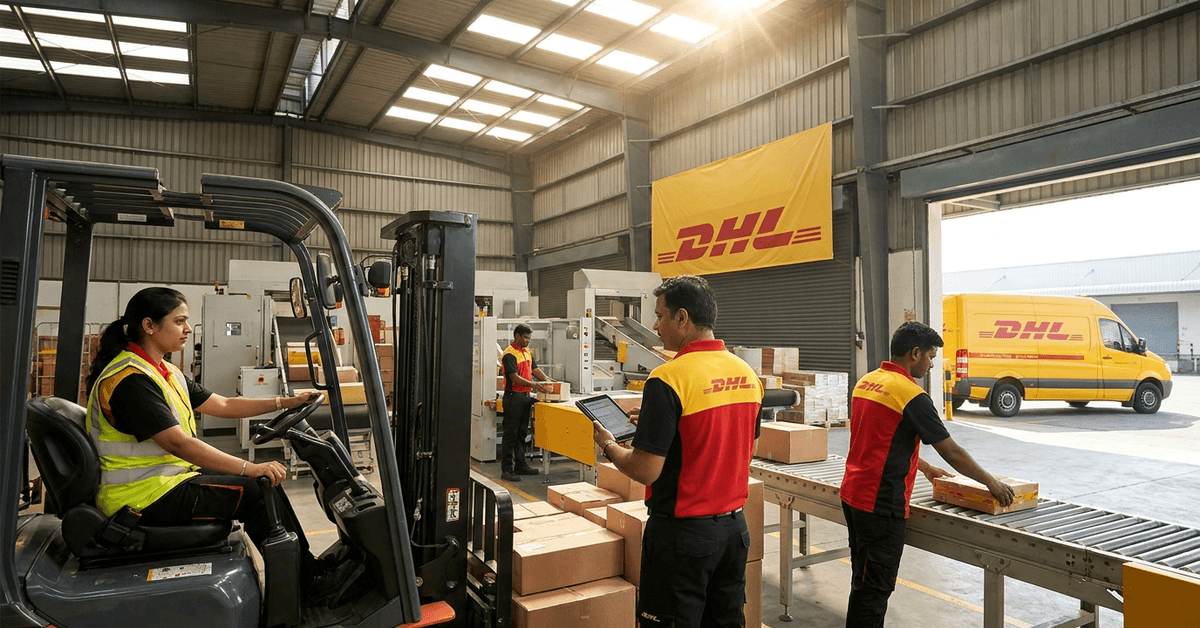
Extensive Network and Advanced Technology
DHL connects warehouses, transportation networks, fulfillment operations, and customer services across India.
Digital tracking, data systems, and operational technology help teams coordinate shipments and manage changing volumes. These tools also create roles for people interested in logistics systems, analytics, and process improvement.
Variety of Career Paths
Logistics work includes much more than delivery and warehouse activity. DHL offers opportunities in operations, customer service, technology, sales, finance, human resources, and supply chain management.
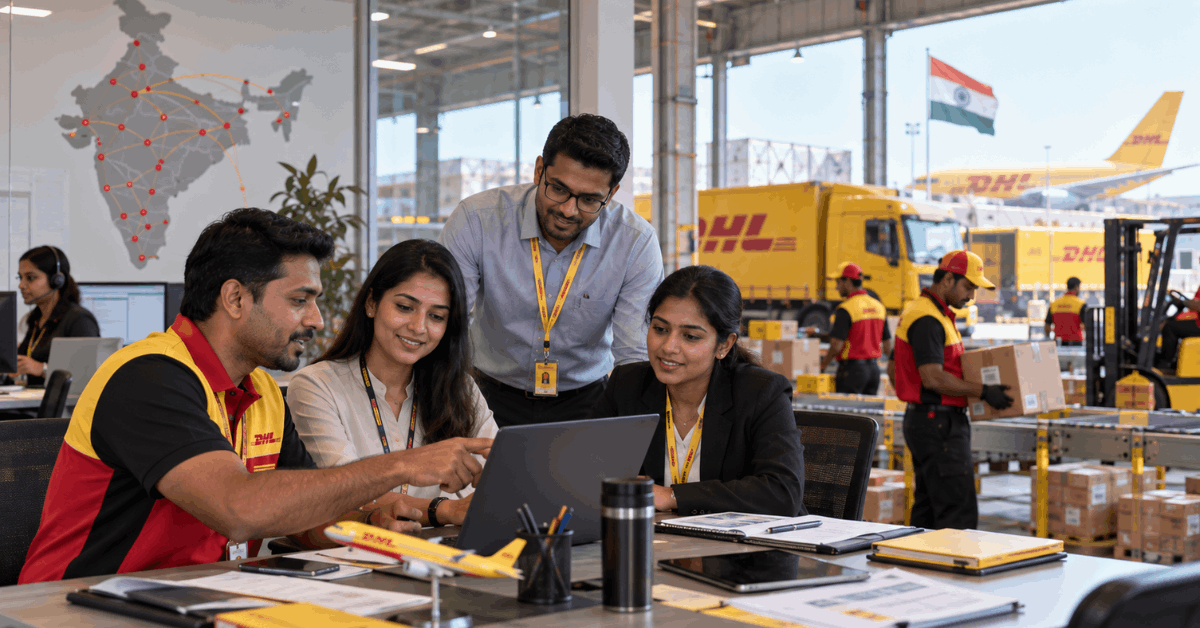
Requirements differ by role, so applicants should match qualifications and experience with each vacancy.
Key Benefits of Working with DHL in India
A large international employer can provide structured processes, learning resources, and exposure to global logistics practices. People researching logistics careers India may value professional development alongside practical industry experience.
Employee Training and Growth
DHL highlights learning and career development across frontline, office, and specialist roles. Employees may receive job-specific training, coaching, digital learning, or leadership development depending on their position. Progression still depends on performance, qualifications, business needs, and available openings.
Inclusive and Diverse Workplaces
DHL presents inclusion and teamwork as important parts of its workplace culture. Teams can include employees with different backgrounds, educational experiences, professional skills, and career goals. Day-to-day workplace experiences can still vary by location, manager, function, and role.
Competitive Pay and Employee Welfare
Compensation and benefits depend on job level, location, contract type, experience, and business unit. Eligible employees may receive insurance coverage, leave, incentives, or other benefits according to applicable policies.
Applicants should confirm the full package through current job postings and formal employment documents.
Careers at DHL: Entry Points and Role Types
DHL India offers entry points for people with operational, technical, administrative, and customer-facing skills. Those examining supply chain roles India can compare job categories before choosing where their background fits best.
Warehouse and Operations Roles
Warehouse and operations positions support inventory movement, shipment preparation, storage, scanning, and daily workflow. Common operational roles can include several types of frontline work.
- Warehouse associate or executive
- Logistics coordinator
- Inventory control executive
- Material handler
Delivery and Field Operations
Field operations connect facilities with customers, transport partners, and delivery networks. These active roles can require route awareness, reliability, communication, and safe working practices.
- Cargo handling associate
- Field delivery coordinator
- Fleet management assistant
Corporate and Support Functions
Corporate teams support commercial, administrative, people, technology, and customer-service activities. These office-based roles often require specialized education, experience, or digital skills.
- Customer service representative
- Sales or business development analyst
- Human resources assistant
- IT or digital logistics specialist
Skills and Qualities Sought by DHL India
Logistics needs people who can organize information, communicate clearly, solve problems, and adapt when plans change. Candidates following DHL hiring IN should highlight relevant strengths rather than assuming only logistics experience matters.
Core Skills for Applicants
Different positions emphasize different combinations of technical and interpersonal abilities. Applicants should review the specific vacancy before deciding which skills to emphasize.
- Strong time management and ability to prioritize tasks
- Willingness to learn digital tools and operational systems
- Customer focus and professional communication
- Adaptability when schedules or shipment volumes change
- Clear English communication and useful local-language skills
How to Apply for DHL Jobs in India?
Applications should begin through DHL’s official careers portal or another verified recruitment channel. Candidates can improve application accuracy by preparing an updated CV and reviewing each vacancy carefully.
Steps to Application
The online process generally involves finding a suitable vacancy and submitting the requested information. Following official instructions helps applicants avoid missed requirements or unnecessary delays.
- Visit DHL’s careers site and filter vacancies for India.
- Search using terms such as logistics, supply chain, operations, or technology.
- Update your CV with relevant experience, education, and transferable skills.
- Complete the online application accurately and answer role-specific questions.
- Monitor official email or portal updates for interviews or assessments.
Growth and Learning Opportunities in Logistics
Logistics changes as technology, customer expectations, and supply networks evolve. Employees who continue building new skills may be better prepared for internal opportunities and changing responsibilities.
Certifications and Continuing Education
Some positions benefit from external learning in areas such as process improvement, analytics, enterprise systems, or warehouse management.
Certifications can provide additional knowledge, but they are not required for every DHL position. Applicants should choose training that matches realistic career goals and actual vacancy requirements.
Work-Life Realities in Logistics Careers
Warehouse, transport, and delivery operations may use shifts, while many corporate functions follow more conventional office schedules.
Peak periods can create higher workloads, so applicants should understand expected hours, flexibility, travel, and overtime before accepting an offer.
Day-to-Day Expectations
Operational teams may face changing shipment volumes, deadlines, customer priorities, and unexpected disruptions.
Strong team coordination can help employees manage busy periods without losing focus on accuracy or safety. Workplace experience varies between facilities, functions, schedules, and managers.
Salary and Growth Potential in DHL India
Pay varies by role, city, experience, education, responsibility, and employment arrangement. Applicants should use current vacancy information and formal offers rather than relying on broad salary estimates found online.
Evaluating Compensation
A useful comparison includes base salary, incentives, insurance, leave, working hours, commuting costs, and development opportunities.
More specialized technical positions or management roles may have different compensation structures from entry-level operations. Candidates should evaluate the complete package before deciding whether an offer fits their goals.
Legal and Compliance Aspects
Formal employment involves contracts, workplace policies, statutory requirements, and documentation. Applicants should review employment terms carefully, especially when a vacancy involves a staffing partner or contractual arrangement.
Contracts and Background Checks
Employers may verify identity, education, employment history, or other information relevant to a position.
A written job offer should clearly explain role, location, pay, benefits, hours, and employment conditions. Candidates should avoid unofficial recruiters requesting payment or unusual personal information.
Conclusion
DHL India offers operational, technical, customer-service, corporate, and supply chain opportunities across its logistics network. Applicants should compare role requirements, locations, schedules, benefits, and development possibilities before applying.
Learning, adaptability, and accurate applications can support long-term progress in a changing logistics sector. Official career listings provide the clearest guidance on current vacancies and qualifications today.
Last updated on September 23rd, 2026 at 02:32 pm