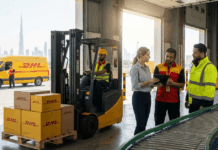
Japan’s manufacturing and packing industries offer steady jobs with attractive benefits. These roles suit those searching for reliable work and fair compensation in a structured environment.
Individuals from overseas frequently consider factory and packing jobs in Japan for better earning potential. These jobs do not always require advanced language skills, making them accessible to many.
Why Choose Factory and Packing Jobs in Japan?
The demand for reliable labor in Japan’s factories is strong, especially in cities like Nagoya, Osaka, and Hamamatsu. These cities host many major manufacturing hubs and food processing centers.

Salaries in these jobs are competitive, particularly with overtime opportunities. Benefits such as meal allowances or furnished dormitories sometimes accompany the basic wage.
Common Types of Factory and Packing Jobs
There are several main categories in this sector. Candidates can target jobs that fit their skills and interests.
- Electronics Assembly (circuit board production)
- Automobile Parts Manufacturing (Toyota, Honda facilities)
- Food Packing and Sorting (seasonal and full-time roles)
- Textile and Garment Factories (quality inspection positions)
Work environments can vary between clean rooms and standard assembly lines. Each offers a slightly different daily routine and workload.
Basic Eligibility and Requirements
Applicants must meet specific hiring criteria before securing a position. Requirements often depend on visa status and basic skills.
- Valid Japan Work Visa (most common is the Specified Skilled Worker or Student visa with eligibility to work)
- Sufficient physical fitness for repetitive tasks
- Ability to follow safety and hygiene protocols
Some employers may request basic Japanese language abilities. However, many companies provide training in simple Japanese, focusing on daily work tasks.
Step-by-Step Guide to Applying
Securing a job in this sector often involves careful planning. The process can be broken into clear steps for a smoother experience:
Research Suitable Employers
Leading job boards are packed with factory job listings. GaijinPot Jobs commonly features up-to-date openings across Japan.
- Use search filters for locations like Aichi, Shizuoka, and Saitama
- Filter by company type, contract length, and required language level
Prepare Required Documents
Most applications require a resume written in English and, when possible, in Japanese. Some companies provide templates for efficiency.
- Update personal and education information
- Include contact details and visa type
- Attach residence card copies if available
Submit Applications via Multiple Channels
Job platforms, recruitment agencies, and direct company websites are useful submission channels. Some agencies specialize in assisting foreign workers.
- Apply through Nippon Job Center and Hello Work government offices
- Many companies now accept online submissions for faster processing
Attend Interviews or Information Sessions
Employers usually hold interviews over video or in person. Expectations may vary between companies and job types.
- Be prepared to answer questions about work hours, past experience, and willingness to work shifts
- For some packing jobs, group interviews or on-site trial days can occur
Receive Job Offer and Complete Formalities
Upon selection, employers provide offer letters outlining terms and working conditions. Acceptance typically requires quick responses.
- Submit requested documentation, including residence details
- Plan for initial orientation and basic safety training
Key Platforms and Apps for Job Hunting
Several platforms help streamline the job search in Japan. Reliable options each have unique strengths based on experience:
- GaijinPot Jobs (focus on jobs open to foreigners, English interface)
- MyNavi and Rikunabi (widely used by both local and international applicants)
- TownWork (practical for finding part-time and short-term packing jobs)
- Line and WhatsApp groups sometimes share leads—networking is valuable
For those new to Japanese, apps like Google Translate help navigate job ads. Some agencies even offer translation support to smooth the process.
Practical Ways to Improve Job Success
Factory and production jobs can attract many applicants, so preparation, consistency, and flexibility often matter as much as previous experience. A few practical strategies can help candidates present themselves more effectively and adapt more quickly after being hired.
Apply to Several Suitable Openings
Limiting your search to one vacancy can reduce your chances unnecessarily. Applying to multiple roles that match your skills, visa status, location, and schedule can create more opportunities while allowing you to compare employers and working conditions.
Stay Flexible With Work Schedules
Manufacturing facilities may operate early-morning, evening, overnight, or weekend shifts. Being open to different schedules can expand the number of positions available, although applicants should only accept hours they can manage consistently.
Attend Recruitment Events
Job fairs and recruitment sessions in major industrial areas can provide direct access to employers and staffing agencies. These events may also help applicants understand current vacancies, required documents, and workplace expectations.
Take Training Seriously
Some employers provide safety, equipment, or workplace-procedure training before regular duties begin. Paying attention during mandatory training demonstrates reliability and can make the transition into daily work smoother.
Build Workplace Connections
Communicating respectfully with coworkers can make it easier to learn routines, understand expectations, and adjust to unfamiliar tasks. Experienced colleagues may also provide useful practical guidance.
Improve Everyday Japanese
Even basic Japanese can help with instructions, safety notices, and workplace communication. Learning common job-related phrases gradually can demonstrate effort and make everyday interactions more comfortable.
Salary Expectations and Work Conditions
Wages for factory and packing jobs can range from 1,000 to 1,500 yen per hour. These figures rise with overtime, shift work, or company bonuses.
Most contracts outline weekly work hours, required overtime, and holiday policies. Accommodation or transportation allowances may sometimes be included.
Legal Considerations and Worker Protection
Japanese labor law provides strong protections for workers. Even temporary staff have rights related to wages and safe working conditions.
- All workers, regardless of nationality, are entitled to minimum wage
- Employers must provide work contracts that state terms clearly
- Workplace safety standards are monitored by government agencies
- In disputes, local Labor Bureaus can mediate or resolve issues confidentially
Foreigners are advised to keep copies of contracts and pay slips, as these support any claims or visa renewals.
Challenges and Common Questions
It is not always a simple process. Some applicants face language barriers, homesickness, or paperwork challenges they hadn’t anticipated.
- High turnover sometimes means jobs open quickly, but stretching adjustments are common
- Shift work can be physically demanding and may affect sleep routines
- Support networks, including community groups, can ease the transition
Most who stick with the process eventually find the work manageable, and many transition to more advanced roles after building basic skills.
Conclusion
Factory and packing jobs in Japan provide a path to steady employment and a chance to experience life in one of the world’s safest, cleanest countries. These roles suit those looking for a fresh start, clear expectations, and fair pay. Success comes from careful preparation and honest persistence. By using reliable job platforms, preparing documents thoughtfully, and embracing a willingness to learn, applicants improve their odds of landing trusted, long-term work in Japan’s vital industries.