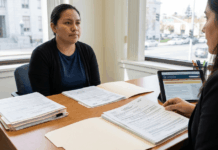
Part-time jobs in retirement have grown in popularity. Many retirees look for flexible work to supplement their income and stay engaged. These options are available in cities, towns, and even from home.
This article offers a roadmap for retirees exploring part-time roles. It’s designed for those aged 55 and up who want practical advice. The key benefit is learning how to secure rewarding work without feeling overwhelmed.



Why Retirees Choose Part-Time Jobs
Working after retirement can ease financial strains. Pension gaps, rising expenses, or the need for structure play a role. Social interaction is another motivator, especially away from family hubs.

Popular part-time jobs include retail, customer service, and driving. Larger cities such as New York, Phoenix, and Atlanta offer even more options. Many positions don’t require advanced technical skills.
Understanding Job Types and Suitability
Not every job is the right match. Retirees often do best in roles that value experience or flexibility. Some jobs offer more independence, while others are better for social engagement.
Roles Prioritizing Experience
Some jobs place greater value on practical knowledge and previous work experience than on recent credentials. These roles can be a strong fit for retirees who want to continue using skills developed over many years.
- Bookkeeper positions use past office skills in smaller companies.
- Consulting for former employers taps decades of expertise.
- Mentorship programs often seek retirees for guidance.
Customer-Facing Roles
Customer-facing positions may suit retirees who enjoy regular interaction, structured routines, and helping others. Many of these jobs also offer part-time schedules in community-oriented workplaces.
- Greeter or front desk roles in venues like hospitals or museums.
- Library assistant jobs for those who enjoy quiet environments.
- Tutor positions help kids with reading or math in local schools.
Flexible or Remote Options
Flexible and remote roles can provide more control over working hours, location, and workload. These options may appeal to retirees who prefer home-based work or want to balance employment with personal commitments.
- Virtual assistant work using platforms like Upwork.
- Online survey taking or testing websites for usability.
- Freelance writing for neighborhood newspapers or blogs.
Where to Find Part-Time Job Listings
Job boards are plentiful, but the best results come from targeted sites. Local community centers also hold job fairs or keep active listings. For example, New York’s libraries maintain public job bulletins.
Leading Job Boards and Apps
Online job platforms can make it easier to compare part-time, flexible, and retiree-friendly opportunities across different industries. Checking several sources can also help uncover roles that may not appear on every job board.
- Indeed updates listings for many industries daily.
- RetiredBrains focuses specifically on retiree-friendly opportunities.
- AARP’s Job Board curates age-inclusive postings, especially for those 50 and older.
Networking and Referrals
Personal connections can be valuable when looking for local or flexible work. Former colleagues, community groups, and neighborhood networks may hear about openings before they are widely advertised.
- Friends and former colleagues notify about hidden opportunities.
- Churches or religious centers may have postings for their communities.
- Local Facebook groups or neighborhood apps like Nextdoor can surface nearby openings.
How to Prepare a Retiree-Friendly Resume
A resume format suitable for retirees typically highlights life skills, reliability, and adaptability. Age is less of a factor if current skills are present. Emphasizing flexibility and punctuality helps.
Resume Tips for Retirees
A retiree resume should highlight relevant experience, transferable skills, recent accomplishments, and current strengths while keeping the format clear and focused on the role.
- Focus on achievements from past roles, not just duties.
- Include part-time, volunteer, or consulting work from recent years.
- Keep content to one or two pages, using clear and easy-to-read fonts.
- Mention any updated skills, such as using video calls or cloud storage.
Application Process for Popular Platforms
Applying online can seem daunting at first. Most platforms use a simple step-by-step system, even for those not tech-savvy. Details vary, but the core process is similar.
Step-by-Step for Major Job Platforms
Most online job platforms follow a similar application flow, from creating a profile to submitting a resume and completing screening steps. Understanding the process beforehand can make applications faster and easier to manage.
- Create a profile with basic information and a resume upload.
- Browse openings by typing “part-time” and preferred city or role.
- Click the listing to review requirements and descriptions.
- Complete an online form. Include relevant experience and contact details.
- For some roles, a phone screen or short digital assessment may follow.
Offline Application Approaches
Some local employers still accept or encourage in-person inquiries and paper resumes, especially for community-based or part-time roles. Direct contact can also help applicants learn about openings that may not be widely advertised.
- Visiting local employers, like grocery stores or libraries, in person with a copy of the resume.
- Inquiring directly with a volunteer coordinator or HR representative.
Interview Tips for Retirees
Interviews tend toward the conversational for part-time roles. Employers often value reliability and attitude over speed or tech expertise. Small talk about life experience may arise unexpectedly.
- Arrive a bit early to demonstrate punctuality.
- Mention interests in flexibility and community.
- Discuss how experience helps solve customer problems or adds stability.
- Be prepared with a short story about past teamwork successes.
Legal and Tax Considerations
Working after retirement can impact benefits and tax status. For example, additional income may reduce Social Security payments before full retirement age. Laws vary by state and employer type.
Points Retirees Should Check
- Income limits for Social Security benefits before full retirement age.
- Tax brackets and possible healthcare premium adjustments.
- Employer requirements for background checks or proof of insurance.
Advisors can explain tax effects of new income sources. It’s worth confirming with a specialist when starting a part-time role.
Common Obstacles and How to Overcome Them
Some retirees worry about age bias in hiring or fear technology. Many roles don’t require advanced tech skills, and employers in certain sectors value maturity.
- Public libraries often offer workshops for learning new apps and digital tools.
- Staffing agencies such as Kelly Services specifically assist older job seekers.
- Community colleges hold free job prep classes for adults seeking new skills.
Conclusion: Finding the Right Fit for Retirement
Part-time work in retirement can provide extra income, structure, and opportunities to stay engaged.
Using targeted resumes, job platforms, community networks, and realistic goals can make the search more effective. Patience and flexibility can also help retirees find roles that suit their experience and lifestyle.