
For many women, financial incentives like the Women's Work Bonus (BTM) can support employment. Understanding eligibility can make the application process clearer.
This guide covers requirements, documents, online submission, and post-application steps. It also offers practical tips for preparing a complete application and avoiding delays.


What Is the Women's Work Bonus (BTM) and Why Does It Matter?
The Women's Work Bonus encourages labor-force participation among women through financial support. Its purpose can clarify the employment context.
Main Goals of the BTM
The program supports women's workforce participation and employment transitions. Its main program goals include:
- Increase employment rates among women, especially those returning after a career break.
- Provide transitional financial support during initial work re-entry periods.
- Help address wage disparities that persist in many sectors.
Benefits Beyond the Payment
The monetary boost may encourage workforce participation and confidence during employment transitions.
The BTM is not a permanent salary supplement but a short-term incentive. Checking official information regularly remains useful as conditions change.
Eligibility: Who Can Qualify for the Women's Work Bonus?
Eligibility can depend on age, residency, employment status, and other program conditions. Small differences may affect the current criteria.
Basic Eligibility Requirements
Applicants generally need to meet age, residency, and employment conditions. Typical eligibility requirements include:

- Being within the working-age range under current national guidelines
- Holding legal residency status in the country administering the BTM
- Having a formal employment contract or proof of recent job acceptance
- Showing previous workforce attachment when required
Applicants may also need to prove formal employment with contracts, payslips, or related records. Reviewing official criteria can prevent unnecessary problems.
Special Categories or Exceptions
Some applicants may fall within special categories involving different documentation or review. Single mothers, women returning after family care, or women with disabilities may encounter alternative requirements.
Official program information should be checked because individual circumstances can affect the process.
Step-by-Step: How to Apply for the Women's Work Bonus (BTM)
Preparing in advance can reduce mistakes and simplify the application process. Having documents ready also helps applicants avoid unexpected delays.
1. Collect Required Documentation
Applicants should gather identity, residency, employment, and category-specific records before starting. Common supporting documents include:
- Proof of identity, such as a passport or national ID card
- Recent employment records
- Proof of residency, such as utility bills or a rental agreement
- Additional forms required for special categories
An employer or HR representative may explain which records are normally available. Official forms may also be provided through the program website.
2. Access the Official Application Portal
Applications are generally managed through a government platform with instructions and application access.
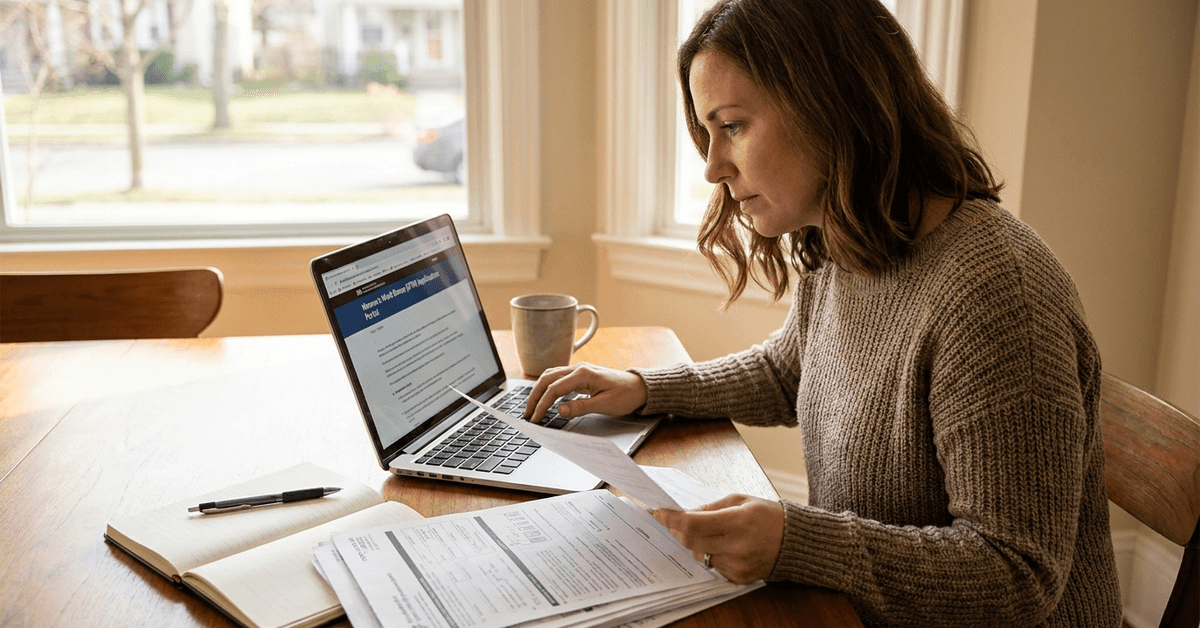
Applicants may need to visit Sence portal and SENCE resources to find the correct service. Secure access may require users to login via ClaveÚnica before entering personal information.
3. Complete the Online Application Form
Applicants should enter requested information carefully and ensure files meet required formats. The main submission steps include:
- fill online form with all required personal and employment details
- Upload documents in accepted PDF or image formats
- Review names, dates, and other information before submission
- Save or print a copy for personal records
Some portals provide a progress indicator for monitoring completion. If errors appear, checking file sizes, document clarity, and missing fields may solve common problems.
4. Wait for Confirmation and Further Instructions
After submission, applicants usually receive a tracking number, portal update, or confirmation message.
Processing may take several days or weeks depending on application volume. Additional paperwork may be requested, so monitoring official communications is important.
Key Documents and How to Prepare Them
Document preparation can take time when records come from different sources. Organizing everything early reduces application interruptions and simplifies later review.
Identification
Identity documents should be current, readable, and show all required information. Copies should have visible edges and clear document details. Checking expiration dates before uploading can prevent verification problems.
Employment Verification
Employment records may include a job offer, contract, payslips, or proof of hours worked. These records help confirm the applicant's employment situation during review. Clear, recent documents can make eligibility verification easier.
Residency Proof
Residency evidence may include utility bills, rental agreements, or property ownership records. Documents should clearly display the full name and relevant address. Applicants should use the residency document requested by the program.
Common Application Pitfalls and Tips for Avoiding Delays
Incomplete forms, unreadable documents, and late submissions are common application problems. Careful preparation can reduce delays and help applicants answer review requests quickly.
Check for Official Updates
Deadlines, portal links, and documentation rules may change over time. Applicants should review official updates instead of relying only on social media advice. Checking instructions before submission helps ensure compliance with current requirements.
Reach Out for Clarification
Applicants who do not understand a requirement can use an official helpline or contact form. Response times may vary during periods of high demand. Keeping questions specific and reference details ready can support clearer assistance.
What Happens After Submitting the Women's Work Bonus (BTM) Application?
After submission, each application enters a review process based on the provided information. Applicants should monitor communications because additional action may be needed.
Confirmation and Status Updates
Applicants usually receive a status update through their portal, email, or another official channel. Some cases may require additional evidence before a final decision. Responding promptly can help prevent processing delays.
Appealing a Decision
If an application is denied, the program may allow an appeal or re-application. Instructions are usually included in the decision notice and may specify a short response period. Reviewing communications promptly helps applicants understand available next steps.
Frequently Asked Questions About the Women's Work Bonus
Applicants commonly ask about contract type, residency, and interactions with other support. The official portal or local employment services generally provide the most reliable answers.
Common Questions
Several questions often arise before people complete their applications. Typical BTM questions include:
- Can employed women receive the BTM, or is it only for first-time job seekers?
- Are part-time contracts eligible?
- Can non-citizen residents apply if they meet employment requirements?
- Does receiving the BTM affect other social benefits?
- How frequently are program rules and criteria updated?
Because rules can change, applicants should compare answers with current official guidance. Reliable sources help avoid outdated information and improve preparation.
Conclusion
The Women's Work Bonus can provide employment support for women who meet eligibility requirements. Preparing documents and using official channels can make the application easier.
Applicants should monitor status updates and respond quickly when more information is requested. Staying organized can support a smoother application experience through the final decision.