
Convenience stores are everywhere in Japan, attracting students, part-timers, and international residents alike. 7-Eleven, known as one of the 'Big Three' chains, offers flexible shifts and straightforward tasks. Many newcomers consider working at 7-Eleven (called baito, meaning part-time job) to gain income and local experience.
This article is for non-Japanese speakers, students, and foreigners living in Japan who are curious about job prospects at 7-Eleven. Discover essential details on salaries, legal work requirements, and how to confidently approach the hiring process.



Hourly Wages for 7-Eleven Workers in Japan
Wages at 7-Eleven depend on your city, shift, and experience. Generally, the pay meets or slightly exceeds Japan's minimum wage, which can vary widely by prefecture.
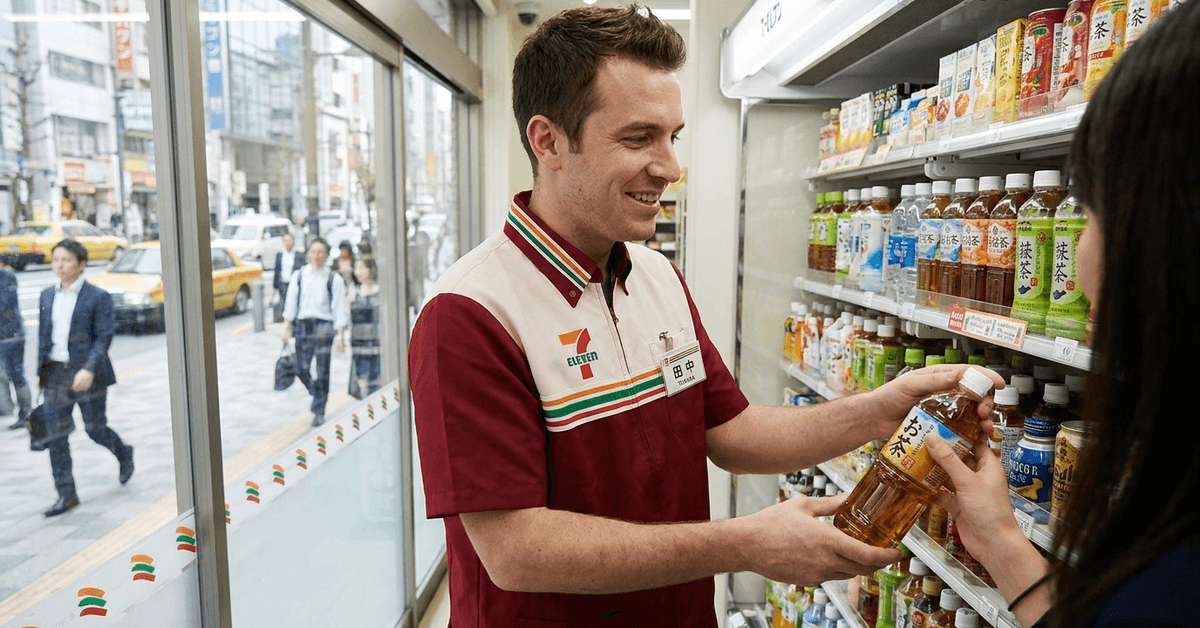
Average Pay by Region
- Tokyo: Around 1,150 to 1,300 yen per hour, especially for night shifts.
- Osaka: Typically 1,050 to 1,200 yen per hour.
- Nagoya: About 1,000 to 1,100 yen per hour on average.
- Rural prefectures: Closer to 950 to 1,000 yen per hour.
Night shifts often pay slightly more. Some stores provide a special rate for hours worked between 10 PM and 5 AM—about 25 percent above the usual rate.
Other Compensation and Perks
- Free or discounted snacks nearing expiration.
- Uniform provided at no extra cost.
- Commuting expenses sometimes reimbursed, but not all shops offer this.
Bonuses, if offered, are not common for part-timers. Your income may rise over time with good performance and extra skills, such as basic Japanese fluency.
Visa Requirements for Foreigners
Foreigners must have valid permission to work in Japan before starting a baito job. Violating these rules can result in fines or deportation, so attention to detail is critical.
Eligible Visa Types
Your ability to work part-time in Japan depends largely on your residence status and the permissions attached to it. Different visa categories come with different work limits, so checking the conditions before accepting a job is important.
- Student visa: Allows up to 28 hours of work per week when holding a "Permission to Engage in Activity Other Than That Permitted by the Status of Residence Previously Granted."
- Spousal or dependent visa: Usually allows part-time employment, but some restrictions apply.
- Working holiday visa: Grants broad permission for temporary jobs, often including convenience store work.
- Specifically skilled or general work visa: Not common for part-time roles, but theoretically possible under certain categories.
Getting Permission to Work
Some foreign residents must obtain separate authorization for activities outside their current residence status before starting part-time employment.
The process generally involves submitting the required documents to immigration and keeping the approval available for employment verification.
- Visit the local immigration office with your residence card and passport.
- Request the "Shikakugai Katsudo Kyoka" stamp (Permission for activities outside of scope).
- Bring completed application form, often available online through Japan Immigration Services.
- Student visa holders especially must attach this approval to their part-time job paperwork.
If not sure which permission is needed, direct queries to your school or immigration lawyer are safest. Rules can change quickly, and stores are generally careful to check this paperwork.
How to Apply for 7-Eleven Baito Jobs
The hiring process at 7-Eleven is mostly standardized, though slight differences may exist between franchised shops. Many applicants find the process straightforward but sometimes a little intimidating for first-timers.
Job Hunting Tools and Platforms
Finding a 7-Eleven job in Japan can involve official recruitment pages, local job platforms, and direct store inquiries. Comparing several sources can make it easier to identify openings that match your location, schedule, and language ability.
- Official 7-Eleven recruitment site.
- Part-time job apps like TownWork or Baitoru (these may have English filtering options)
- In-person: Direct visits to local stores to check the “now hiring” sign (saiyo-chu or arubaito boshuu).
Application Step-by-Step
The application process usually involves finding an opening, submitting your details, attending an interview, and providing employment documents.
Preparing your schedule, residence information, and basic Japanese phrases in advance can help the process go more smoothly.
- Check job ads online or on store windows to confirm openings.
- Submit your application online or collect a paper form from the staff.
- Fill in your basic details: name, contact info, visa type, and work availability.
- Wait to be contacted for an interview, usually held in person at the location.
- Prepare basic Japanese phrases: greetings, schedule preferences, and brief self-introduction.
- Bring your residence card (zairyu card), passport, and bank info for salary payments.
- Expect to be notified within one week if successful.
Some stores welcome non-Japanese speakers for stock or cleaning roles, but customer-facing work usually needs minimum Japanese.
Work Responsibilities and Real-World Experience
Daily tasks at 7-Eleven are split between stocking, cashier duties, cleaning, and sometimes food preparation. The shifts can be predictable but also surprisingly busy and physically tiring.
Standard Duties You Can Expect
- Cashier work: Handling payments, giving receipts, running the register, and basic customer service.
- Restocking shelves and refrigerators, rotating old stock.
- Light cleaning and trash disposal both in-store and near entrance.
- Preparing simple foods, such as rice balls (onigiri) or coffee machines.
- Assisting with package dispatch/pick-up via shipping services.
Staff are typically assigned one main duty per shift but asked to help with all jobs if needed. It can be a good chance to practice polite Japanese and see how real-world hospitality works.
Common Challenges
- Fast-paced mornings and evenings when store traffic spikes.
- Language barriers can delay training, especially at peak times.
- Night shifts sometimes involve handling drunk customers or rowdy crowds.
Workloads vary by season, neighborhood, and store size. Some workers thrive on the variety, while others find it more challenging than expected.
Tips for Succeeding at 7-Eleven in Japan
Long-term part-timers often share practical tips for smoother, less stressful shifts. While not every tip fits all situations, these practical habits make a noticeable difference.
Communication and Flexibility
Clear communication and a willingness to adapt can make daily work smoother in a busy convenience-store environment. Even basic Japanese and flexible scheduling can help strengthen teamwork and reduce misunderstandings.
- Simple and clear Japanese greetings (like "Irasshaimase" and "Arigatou gozaimasu") help build rapport.
- Flexibility with shifts—covering for colleagues or accepting late-night work—often leads to better treatment from management.
Managing Expectations
Convenience-store work can vary from quiet periods to very busy shifts, so staying patient and organized is important. Using simple tools and personal notes can also make unfamiliar tasks easier to remember.
- Realize that some days are much busier than others; patience goes a long way.
- Don’t expect every task to be explained in English. Using translation apps like Google Translate can bridge some gaps.
- Keep a small notebook to jot down key phrases, cleaning schedules, and customer requests.
Legal and Social Etiquette
Understanding workplace rules and basic Japanese employment etiquette can help avoid problems on the job. Keeping documents current, respecting workplace hierarchy, and following food-handling procedures are all important parts of working responsibly.
- Always have the proper visa documents at hand for sudden checks by managers.
- Respect the hierarchy: part-timers are expected to greet full-time staff and management first.
- Be cautious with food expiration rules as Japan enforces strict standards, even for part-timers.
An open attitude and willingness to learn can turn a baito at 7-Eleven into an unexpectedly rich cultural experience.
Conclusion
Working at 7-Eleven in Japan can provide steady income, practical work experience, and opportunities to improve Japanese through daily interactions.
Foreign applicants should understand visa requirements, job expectations, and application procedures before starting. Language ability, flexibility, and patience can also make adapting to the workplace easier.
With proper preparation and legal authorization, a 7-Eleven part-time job can be a practical option for students and other eligible foreign residents.