
Temporary Assistance for Needy Families (TANF) is a federal program designed for families facing financial hardship. Its goal is to offer temporary financial help to those in need.
Families, single parents, and caregivers looking for a way to manage basic expenses can benefit from this program. Understanding the process is important, as applying has several steps and eligibility factors.



What Is TANF and Who Qualifies?
TANF provides monthly cash support for rent, utilities, and other essential needs. Each state operates the program with different rules and benefit levels.
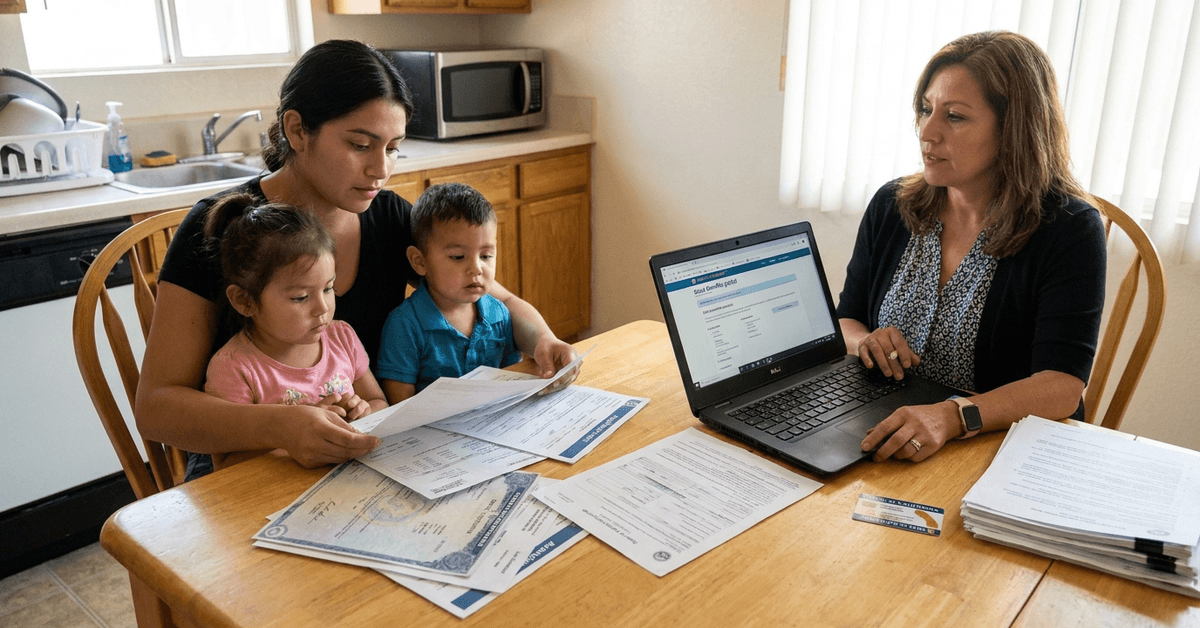
Eligibility requirements vary, but common factors include income, family size, and citizenship status. Often, assets and employment status are reviewed as well.
Core Eligibility Factors
- Low or very limited income
- At least one child living in the home
- U.S. citizenship or eligible immigration status
- State residency
Some states allow pregnant women in their third trimester or caregivers of children to apply even before birth.
Examples of TANF in Major Cities
In New York City, the Human Resources Administration (HRA) processes TANF in person and online. In Los Angeles, the Department of Public Social Services (DPSS) manages applications at local district offices.
Residents in Houston work with Texas Health and Human Services, often starting with online tools like YourTexasBenefits.
How to Request Cash Assistance
The TANF process includes several concrete steps. Applicants can choose between online, in-person, or mail-in options in most cities.
Step-by-Step Guide
Ready to get started? Following a clear step-by-step process can make each stage easier to understand, prepare for, and complete with confidence.
- Collect household and income documents (ID, pay stubs, utility bills, Social Security numbers).
- Visit your local state TANF website or benefits portal such as Access Florida, YourTexasBenefits, or NYC ACCESS HRA.
- Complete the online or paper application. Double check for accuracy.
- Submit required supporting documents, uploading them if online, or providing copies in person.
- Schedule and attend an interview with a caseworker (usually phone or in-office).
- Wait for eligibility notification—processing often takes two to four weeks. Emergency cases may be faster.
Popular Application Portals
- ACCESS HRA (New York City)
- YourTexasBenefits (Texas)
- CalWORKs (California)
- Georgia Gateway
If unsure where to begin, searching "[state] TANF application" often leads directly to the official portal.
Required Documents and Typical Paperwork
TANF applications usually require documents that verify identity, household composition, income, and residence. Preparing them in advance can reduce delays and make the review process easier.
Proof of Identity
Applicants may need valid identification for adult household members. Depending on the state, accepted documents can include a driver’s license, state ID, passport, or other approved identification.
Household and Family Records
Documents may be requested to confirm who lives in the household and which children are included in the application. Examples include:
- Children’s birth certificates
- Social Security numbers or cards, when required
- Custody or guardianship records
- Marriage or separation documents, if relevant
Income and Residence Documents
Applicants may also need recent pay stubs, benefit statements, tax records, rent agreements, or utility bills. These help verify financial circumstances and current residence.
Submitting Documents
For in-person applications, bring originals or agency-approved copies when requested. Online systems generally accept clear scans or photos, but exact document standards vary by state.
Keep Copies
Save copies of everything submitted and record the submission date. This can make follow-up easier if documents are lost or additional verification is required.
Work Requirements and Exemptions
Most TANF programs include a "work activity" requirement. Adults must show active job search, participate in training, or report work hours.
However, exceptions exist for caregivers of infants, those with disabilities, or specific hardship waivers. It's important to clarify with a caseworker if there's any concern.
Typical Work Activities
- Job searching
- Community service
- Enrolled in approved education or vocational training
- Part-time or full-time employment
State portals sometimes offer job boards and reporting tools, like the WorkSourceWA app in Washington.
How Benefits Are Delivered
TANF payments are usually sent monthly. Most states offer an electronic benefits transfer (EBT) card, similar to a debit card for purchases and cash withdrawals.
Families in Florida, for example, receive benefits via the Florida EBT card, working at ATMs and grocery stores.
Handling Delays and Denials
If a decision is delayed, contacting a state TANF office by phone or email helps. Sometimes missing or unclear paperwork is the issue.
For denials, applicants have the right to request a fair hearing—a formal review process that allows for a case to be reconsidered.
Accessing Support and Advocacy
Legal aid offices and nonprofit advocates, like the National Consumer Law Center, help guide applicants who feel stuck.
State ombudsman offices can investigate persistent processing obstacles or provide extra resources if situations change quickly.
Community Resources
The right community resources, local services, and support organizations can make it easier to find guidance, practical help, and answers when you need them.
- Local legal aid societies
- Benefits.gov for general information
- Your state’s 211 helpline
- Food pantries, if immediate support is needed
Tips to Strengthen Your Application
A stronger application starts with careful preparation, complete documents, accurate details, and a clear understanding of eligibility rules. Staying organized throughout the process can also reduce avoidable delays and make follow-up easier.
Review Every Detail
Double-check names, addresses, Social Security numbers, household information, and income details before submitting. Even small errors or inconsistencies can lead to additional verification requests.
Keep Copies of Documents
Save copies of every form, notice, and supporting document you submit. Keep digital files in a secure folder and retain paper copies when possible for future reference.
Respond Promptly to Requests
Attend scheduled interviews or caseworker meetings and answer requests for additional information quickly. Missing deadlines may delay processing or affect the application.
Ask for Written Clarification
If instructions or eligibility decisions are unclear, ask the agency to explain them in writing. This creates a record you can review later and may help prevent misunderstandings.
Use Official Benefit Portals
Many states provide online benefit portals or mobile tools for uploading documents, checking application status, and reviewing notices. Use only official state or agency platforms when submitting personal information.
Enable Notifications
Turn on available email or text alerts so you do not miss appointments, document requests, deadlines, or status updates. Regularly checking your account can also help you respond quickly when action is required.
Conclusion
Applying for TANF is easier with complete documents, accurate information, timely follow-up, and a clear understanding of state-specific rules.
Staying organized and using official or community support resources can help families navigate delays, questions, or appeals more effectively.